Quick answer: For hip osteoarthritis, warm-water exercise and swimming reduce joint load while you strengthen and move. Useful pool drills include water walking, hip circles, side steps, gentle hip flexion lifts and supported abduction. Backstroke is often the most comfortable stroke; breaststroke’s wide kick can irritate some hips — ease off if it hurts. This is general UK information, not a personal exercise prescription.
Hip osteoarthritis can make land walking and stairs feel punishing. Water supports body weight, so many people find they can move farther with less pain — then take that confidence back to land-based NHS physiotherapy and everyday walking. Pair pool work with the osteoarthritis guide, the exercise hub and pain-relief options rather than treating swimming as a cure.
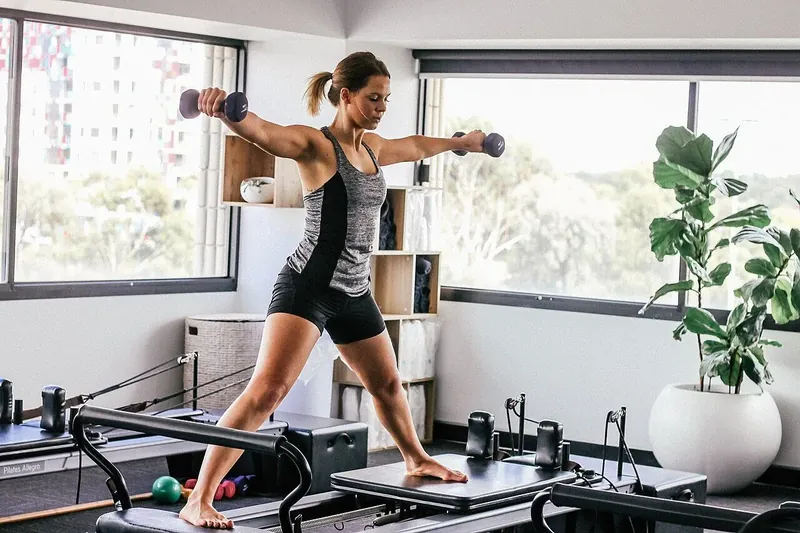
Low-impact movement for hip OA — openly licensed via Openverse
Why warm water helps hip OA
The hip is a major weight-bearing joint. In water, buoyancy takes a large share of load off painful cartilage while resistance still challenges muscles. Warm pools (often around 32–35°C in hydrotherapy settings) can ease stiffness so you can practise better movement patterns. Systematic reviews of aquatic exercise for hip and knee osteoarthritis generally show modest improvements in pain and function compared with doing nothing — results vary by person, pool access and how consistently you attend.
NICE guidance for osteoarthritis emphasises therapeutic exercise for everyone who can take part. Water sessions are one option alongside land exercise, weight advice where relevant, and medicines discussed with your GP or pharmacist. See also hip exercises for osteoarthritis.
Pool drills that often feel kind on the hip
Stand in a depth where you feel stable (often waist to chest). Hold the rail if balance is uncertain. Stop or shorten the set if pain clearly worsens during or for hours afterwards.
Hip circles (standing)
Holding the pool edge, draw slow circles with one leg — about 10 each way — then swap. Aim for smooth control, not speed.
Side steps
In waist-depth water, take controlled sideways steps for a short length, then return. This challenges hip abductors that help walking stability, without impact.
Forward and backward water walking
Walk 2–3 minutes forwards, then backwards if comfortable. Progress by time or distance, not by forcing a land-like stride against sharp pain.
Aquatic therapy setting — openly licensed via Openverse
Hip flexion lifts
Holding the edge, slowly bring one knee toward hip height, pause briefly, lower with control. Start with a small range — 8–12 repetitions each side is a common starting volume.
Supported hip abduction
With a float or noodle for support (or on your back if confident), gently open and close the legs against water resistance. Keep movements pain-limited and supervised if you are new to floating.
Swimming strokes for hip arthritis
- Backstroke: often the gentlest rhythmic option with less aggressive hip twisting
- Front crawl: usually fine if kicking stays comfortable
- Breaststroke: the wide kick can stress the inner hip or groin in advanced OA — shorten the kick or skip the stroke if it flares symptoms
Ask a physiotherapist how to adapt pool work — openly licensed via Openverse
After hip replacement
Many people return to swimming once the wound is healed and the surgical team clears them — often after several weeks, sometimes longer. Do not guess timelines from the internet; follow your orthopaedic and physiotherapy plan.
Pacing and safety
Stop if pain increases during a session. On better days it is tempting to “catch up”. Spread sessions through the week. If pain or fatigue is clearly worse about two hours after exercise, reduce the next session rather than stopping forever. This page is educational information for people in the United Kingdom, not a diagnosis or personal rehab plan.
Seek urgent help via NHS 111 or A&E for sudden inability to weight-bear, a hot swollen joint with fever, chest pain, severe breathlessness, or anything that feels immediately dangerous.
Quick questions
Is a heated pool better? Warm water is often more comfortable for stiffness; public leisure pools vary. NHS hydrotherapy access differs by area — ask your GP or physio what is available locally.
How soon will I notice a change? Give a realistic routine a few weeks unless symptoms clearly worsen sooner.
What else should I read? Newly diagnosed? Start at newly diagnosed. Money and daily-living support: Benefits & PIP hub. Food patterns that sit alongside movement: diet hub.
Continue with related help
- Osteoarthritis guide — symptoms, NHS pathways and self-management
- Exercise hub — joint-friendly movement options
- Hip exercises for osteoarthritis — land-based ideas
- Arthritis pain relief — pacing, topicals and next steps
- Newly diagnosed — first weeks after a diagnosis
- Benefits & PIP hub — when symptoms affect daily living
- Diet hub — Mediterranean-style patterns for joints
- Aquatic therapy for arthritis — hydrotherapy context
- Joint supplements for knees — a careful comparison, not a winner
- Is arthritis a disability? UK PIP FAQ — how daily life is assessed