Best yoga poses for ankylosing spondylitis stiffness — AS causes progressive spinal stiffness and can severely limit mobility over time. Yoga, when correctly adapted, is one of the best tools available for maintaining spinal mobility, reducing stiffness and managing pain in AS.
Quick answer: Best yoga poses for AS stiffness: cat-cow for spinal mobility, sphinx pose for gentle extension, supine spinal twist for rotation, child's pose for thoracic stretch, standing chest opener for rib cage. Avoid deep forward folds. Practice 1-2 hours after morning medication when stiffness has eased.

Yoga poses for spinal flexibility — openly licensed via Openverse
Why Yoga Specifically Helps AS
NICE guidelines recommend regular exercise, particularly exercises that promote spinal extension and rotation, as a cornerstone of AS management. Yoga provides systematic movement through the spine, hips and chest — exactly the areas where AS causes stiffness. A 2019 RCT found 12 weeks of yoga practice significantly improved spinal mobility, pain scores and quality of life in AS patients compared to a control group.
Recommended Poses for AS
Cat-Cow (Marjaryasana-Bitilasana)
On hands and knees. Inhale: arch back downward, lift head and tailbone (cow). Exhale: round spine upward, tuck chin and pelvis (cat). 10 slow repetitions. Gently mobilises the entire spine in flexion and extension.
Sphinx Pose (Salamba Bhujangasana)
Lie face down, forearms on the floor, elbows under shoulders. Press forearms gently to lift chest slightly. Hold 30–60 seconds. Gentle spinal extension that counteracts the forward-bending tendency of AS.
Supine Spinal Twist
Lie on back. Draw one knee to chest, then guide it across to the opposite side while extending that arm wide. Hold 30 seconds each side. Gentle thoracic and lumbar rotation.
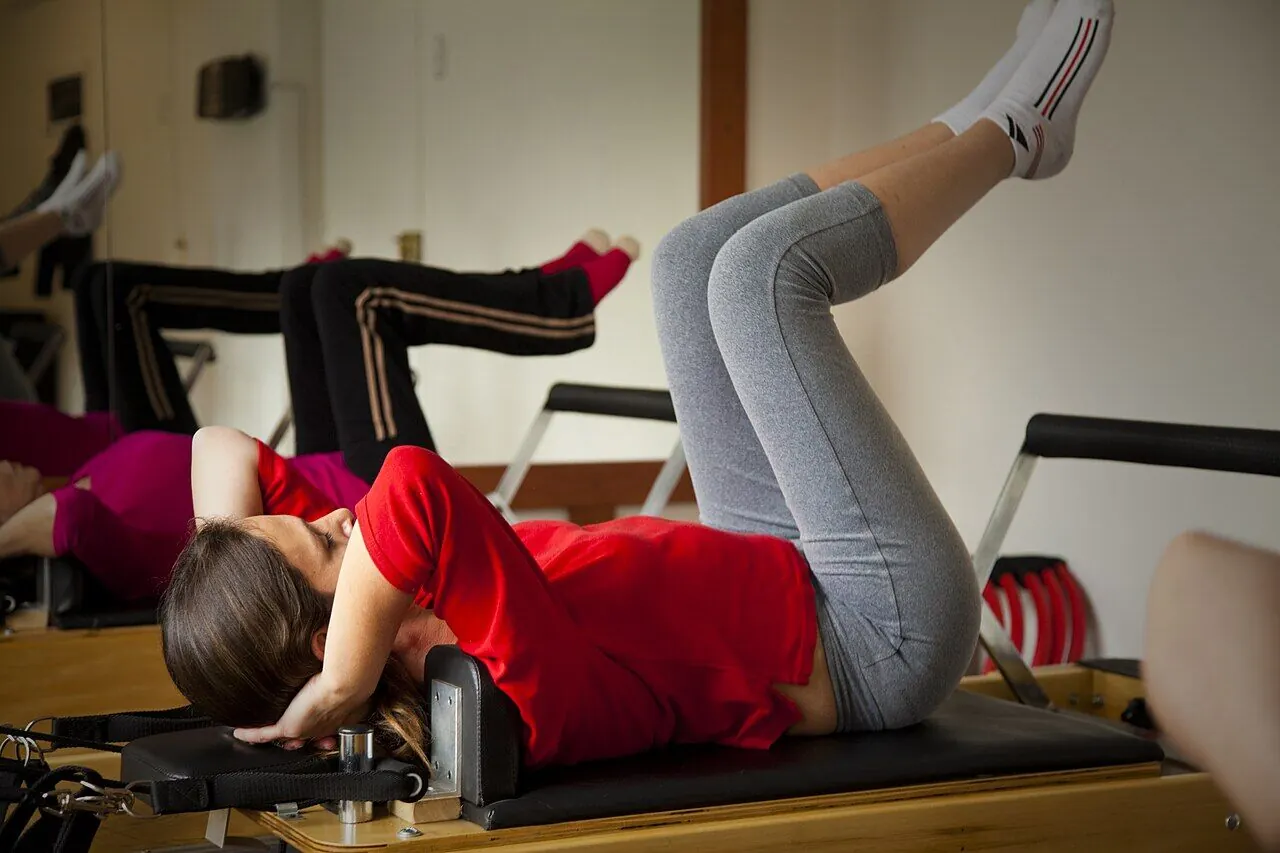
Spinal mobility exercises — openly licensed via Openverse
Child's Pose (Balasana) — Modified
From kneeling, slowly lower hips toward heels and stretch arms forward. If hips do not reach heels, place a folded blanket between thighs and calves. Gently stretches thoracic spine and hips.
Standing Chest Opener
Stand in doorway, arms at 90 degrees on the frame. Lean forward gently until chest stretch is felt. Hold 20–30 seconds. Opens the anterior chest and rib cage — important in AS where chest expansion can be restricted.
AS-Specific Adaptations
- Always warm up for 10 minutes before starting
- Avoid deep forward folds — these can load already-fused or vulnerable spinal segments
- Use props freely: blocks, bolsters, straps — they make poses accessible, not easier
- Practice in the morning after medication has taken effect (typically 1–2 hours after taking NSAIDs)
- Tell your yoga teacher about your AS before class — a good teacher will modify accordingly
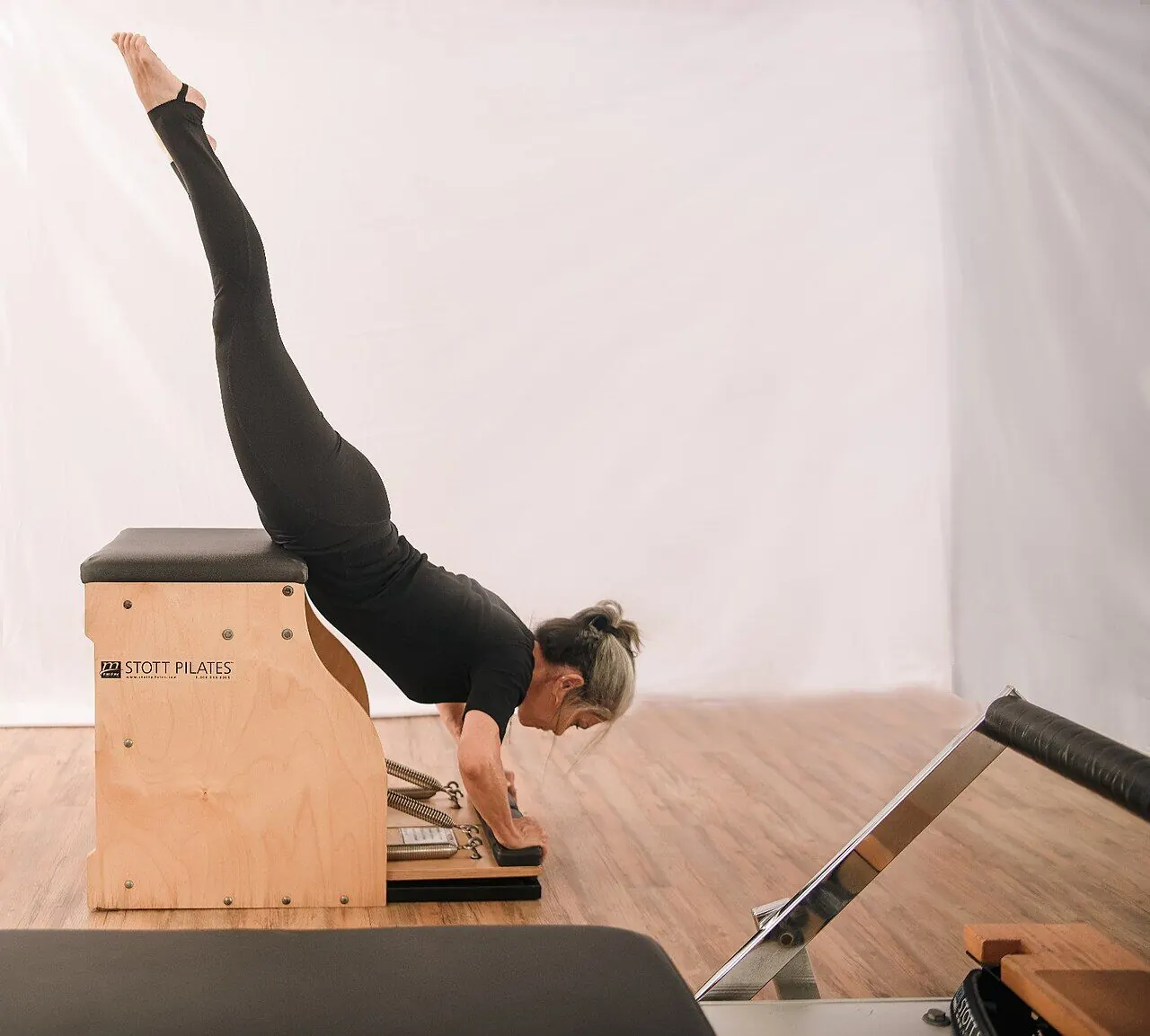
Gentle movement therapy — openly licensed via Openverse
Q&A
Question: Is yoga safe during an AS flare?
Short answer: Very gentle movement (cat-cow, supine twist) is generally safe during mild flares. Avoid new poses or increased intensity during severe flares. Resume gradually as the flare settles.
Question: Should I see a physiotherapist before starting yoga for AS?
Short answer: Ideally yes — a physiotherapist specialising in inflammatory arthritis can assess your spinal mobility and advise on safe ranges before you begin a yoga programme.
Practical next steps for Best Yoga Poses for Ankylosing Spondylitis Stiffness
If you came here about Best Yoga Poses for Ankylosing Spondylitis Stiffness, pick one change you can keep for a fortnight rather than overhauling everything at once. Note what hurts, what helps, and what you have already tried, then take that list to your GP, rheumatology nurse or physiotherapist so the conversation stays concrete.In many areas you can ask your primary care network about self-referral to physiotherapy or lifestyle support without waiting for a hospital letter. Check your GP surgery website or the NHS App for the route that applies where you live.
Pacing on good and bad days
On better days it is tempting to catch up on everything at once. Spread chores and exercise across the week instead. Use the two-hour rule many physiotherapists suggest: if pain or fatigue is clearly worse two hours after activity, the dose was too high — trim the next session rather than stopping altogether.
Building a joint-friendly routine
Start with short sessions you can repeat on most days. Warm water, cycling, or paced walking often suits stiff joints better than sudden high-impact bursts. Increase time or resistance slowly, and leave a rest day when a joint is hot, swollen or unusually painful. If you are unsure where to begin, ask about NHS physiotherapy or an exercise referral scheme via your GP surgery.
Reliable UK sources
Cross-check major decisions with NHS.uk, your clinical team, and NICE guidance summaries where relevant. Be wary of social posts that promise reversal of arthritis or attack standard medicines without evidence.
Quick questions about Best Yoga Poses Ankylosing
Is this a substitute for seeing a clinician? No. Use it to prepare questions and understand options, then confirm decisions with your NHS team.How long before I judge whether a change helped? Give most habit or exercise changes at least two to four weeks, unless pain or swelling clearly worsens — in that case scale back sooner.
What should I track? Joint pain (0–10), morning stiffness time, sleep quality, and how far you can walk or how long you can type or stand. Patterns beat one-off ratings.
Safety and when to get urgent help
This page is general information for people in the United Kingdom, not personal medical advice. Seek urgent help via NHS 111 or A&E if you have sudden inability to move a joint, hot swollen joint with fever, chest pain, severe shortness of breath, or symptoms that feel immediately dangerous.
Keep learning with us
Explore related guides on Living With Arthritis — try the guides hub, diet hub, exercise hub, or site search to filter by topic and length. If benefits or work questions are on your mind, start at the Benefits & PIP hub.
Keep expectations kind while you work on best yoga poses for ankylosing spondylitis stiffness. Arthritis symptoms fluctuate; a quieter week does not mean you imagined earlier pain, and a flare does not mean every helpful habit has failed. Adjust one variable at a time so you can see what truly helps.
Continue reading
- Best Exercises for Rheumatoid Arthritis in Hands and Wrists — A clinically reviewed programme of the best exercises for RA affecting hands and wrists — improving grip, reducing stiffness and.
- Hip osteoarthritis and frailty: getting out of a chair more safely (UK) — Arthritis is common across the UK; frailty is less so — but when they overlap, days can shrink faster than joint pain alone would suggest.
- Knee osteoarthritis and frailty: rising from a low sofa (UK) — Knee osteoarthritis and frailty often travel together because pain changes how you walk, rise and recover.
- Spinal stenosis, osteoarthritis and frailty: walking with planned stops (UK) — When spinal stenosis with osteoarthritis meets frailty, everyday tasks in a home can shrink faster than the joints alone would suggest.