Juvenile arthritis school support guide for parents UK — when your child has juvenile idiopathic arthritis (JIA), ensuring school is supportive, informed and legally compliant is one of your most important roles as a parent.
Quick answer: For juvenile arthritis school support: request an Individual Health Care Plan (IHCP) with the SENCo, apply for exam access arrangements (extra time, rest breaks), ensure adjustments are in writing. Under the Equality Act 2010 schools must make reasonable adjustments for JIA. Arthritis UK (formerly Versus Arthritis) provides free school guides.
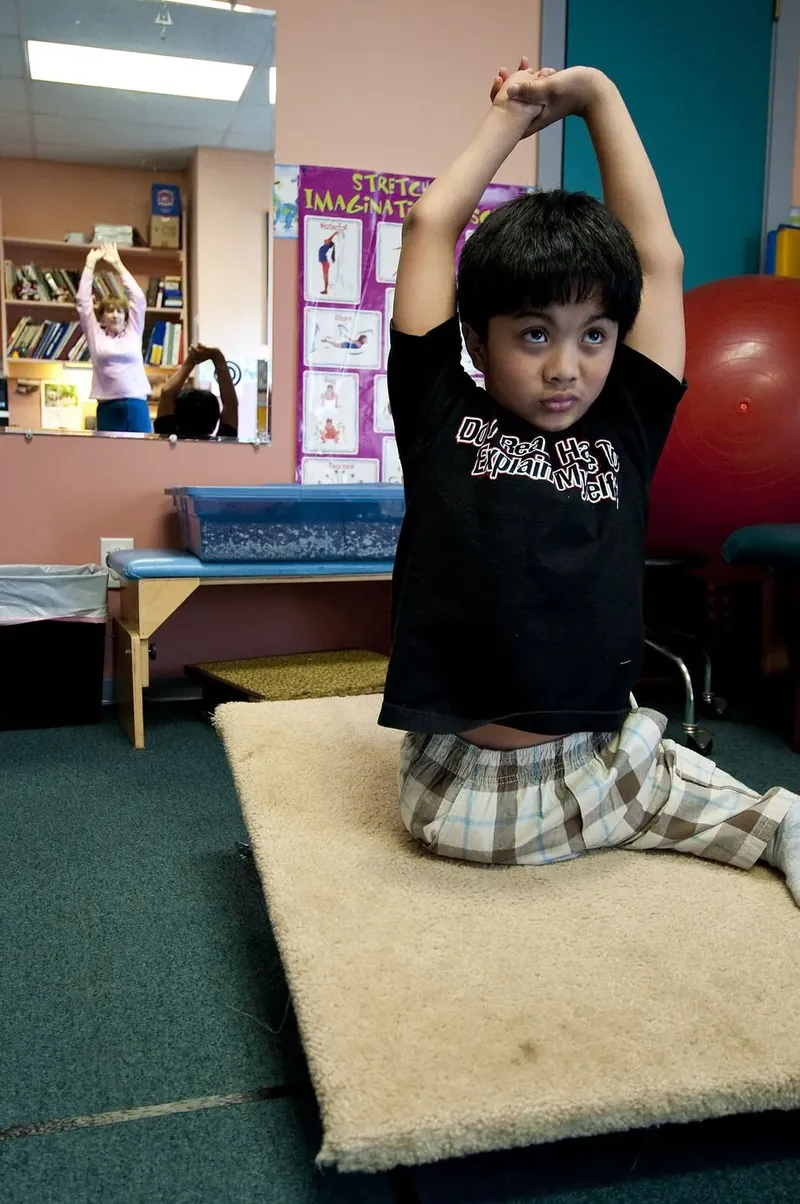
Child with arthritis support — openly licensed via Openverse
Legal Framework in the UK
The Equality Act 2010 applies to schools. JIA almost certainly qualifies as a disability under the Act, meaning schools have a duty to make reasonable adjustments. The SEND Code of Practice (2015) requires schools to support children with health conditions. Your child's school must not treat them less favourably because of their condition.
Key Adjustments Schools Should Make
- Seating near the front or exit to minimise walking distance
- Extra time in exams (apply through the SENCo)
- Permission to carry medication and take it as prescribed
- Flexibility on PE — adapting activities on high-pain days rather than excluding
- A second set of books/equipment to avoid heavy bag carrying
- Rest periods during flares with access to a quiet space
- Toilet access without needing to ask
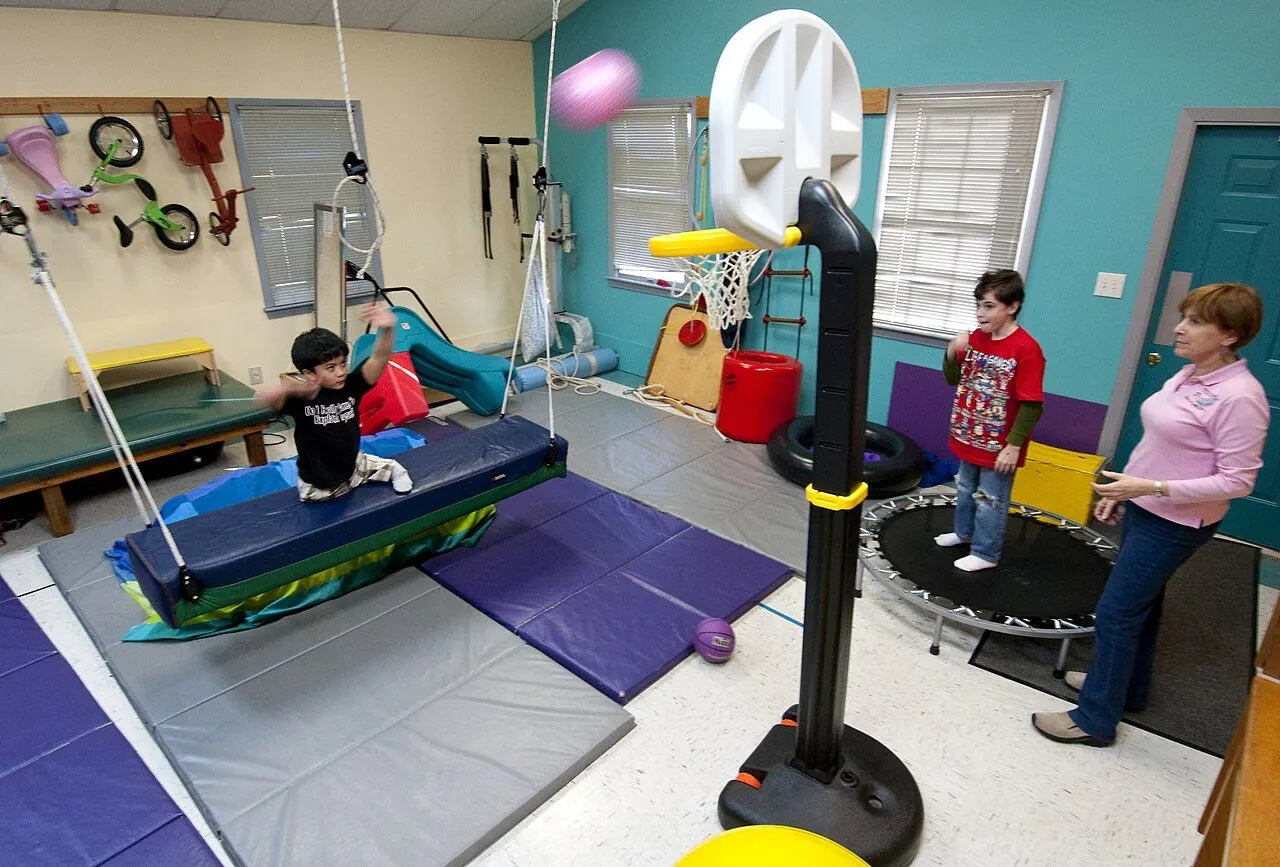
School support — openly licensed via Openverse
Writing a School Health Care Plan
A Supporting Pupils with Medical Conditions plan (Individual Health Care Plan) should be in place for any child with JIA. Request this meeting with the SENCO and class teacher. The plan should cover: medication administration, recognising a flare, what to do in an emergency and exam access arrangements.
Talking to Teachers
Give teachers a brief written summary (one page) explaining: what JIA is, what a flare looks like, which activities are affected and what adjustments help. Many teachers have never heard of juvenile arthritis — a brief factsheet from Arthritis UK or NRAS is a helpful starting point.

Paediatric support — openly licensed via Openverse
Q&A
Question: Can my child get extra time in exams for JIA?
Short answer: Yes. Extra time and other access arrangements (rest breaks, a scribe for hand pain) are available through the school SENCo. Apply well before exam season — ideally at the start of the academic year.
Question: What if the school is uncooperative?
Short answer: Contact the local authority SEND team, the Equality Advisory Support Service (0808 800 0082) or Arthritis UK for advocacy support.
Practical next steps for Juvenile Arthritis School Support Guide for Parents UK
If you came here about Juvenile Arthritis School Support Guide for Parents UK, pick one change you can keep for a fortnight rather than overhauling everything at once. Note what hurts, what helps, and what you have already tried, then take that list to your GP, rheumatology nurse or physiotherapist so the conversation stays concrete.In many areas you can ask your NHS trust about self-referral to physiotherapy or lifestyle support without waiting for a hospital letter. Check your GP surgery website or the NHS App for the route that applies where you live.
Peer support etiquette
Share what helps you without prescribing it for others. Conditions, medicines and life circumstances differ. If someone is in crisis, encourage them toward NHS 111, their GP, or emergency services rather than relying on a forum alone.
Benefits conversations
Personal Independence Payment (PIP) looks at how your condition affects daily living and mobility, not the diagnosis name alone. Keep a short diary of bad days, help you need with dressing or cooking, and walking limits. Welfare rights advisers at local councils or charities can check forms before you submit them.
Quick questions about Juvenile Arthritis School Support
Is this a substitute for seeing a clinician? No. Use it to prepare questions and understand options, then confirm decisions with your NHS team.How long before I judge whether a change helped? Give most habit or exercise changes at least two to four weeks, unless pain or swelling clearly worsens — in that case scale back sooner.
What should I track? Joint pain (0–10), morning stiffness time, sleep quality, and how far you can walk or how long you can type or stand. Patterns beat one-off ratings.
Safety and when to get urgent help
This page is general information for people in the United Kingdom, not personal medical advice. Seek urgent help via NHS 111 or A&E if you have sudden inability to move a joint, hot swollen joint with fever, chest pain, severe shortness of breath, or symptoms that feel immediately dangerous.
Keep learning with us
Explore related guides on Living With Arthritis — try the guides hub, diet hub, exercise hub, or site search to filter by topic and length. If benefits or work questions are on your mind, start at the Benefits & PIP hub.
Keep expectations kind while you work on juvenile arthritis school support guide for parents uk. Arthritis symptoms fluctuate; a quieter week does not mean you imagined earlier pain, and a flare does not mean every helpful habit has failed. Adjust one variable at a time so you can see what truly helps.
Continue reading
- Adult Children as — As adult children caregivers, supporting a parent with arthritis brings emotional and practical challenges.
- How to Explain Juvenile Arthritis to School Teachers UK — A practical guide to explaining juvenile arthritis to teachers — what to cover, how to communicate and what adjustments to request.
- Expert Q&A: Will My Children Inherit My Arthritis? — Genetics, risk and what really raises a child's odds.
- School-Run Survival for Parents With Arthritis — Mornings without flare-ups: a five-step plan.
Living With Arthritis is independent of Arthritis UK, formerly Versus Arthritis.