How to explain juvenile arthritis to school teachers UK — most teachers have never encountered juvenile idiopathic arthritis (JIA) and have no formal training in it. A clear, brief and specific briefing from you as a parent or from the child themselves (for older pupils) dramatically improves the quality of school support your child receives.
Quick answer: When explaining JIA to school teachers: provide a one-page briefing covering what JIA is, what a bad day looks like, which adjustments help (seating, laptop, extra time, flexible PE) and what to do in a flare. Involve the SENCo for formal adjustments. Equality Act 2010 requires schools to make reasonable adjustments.
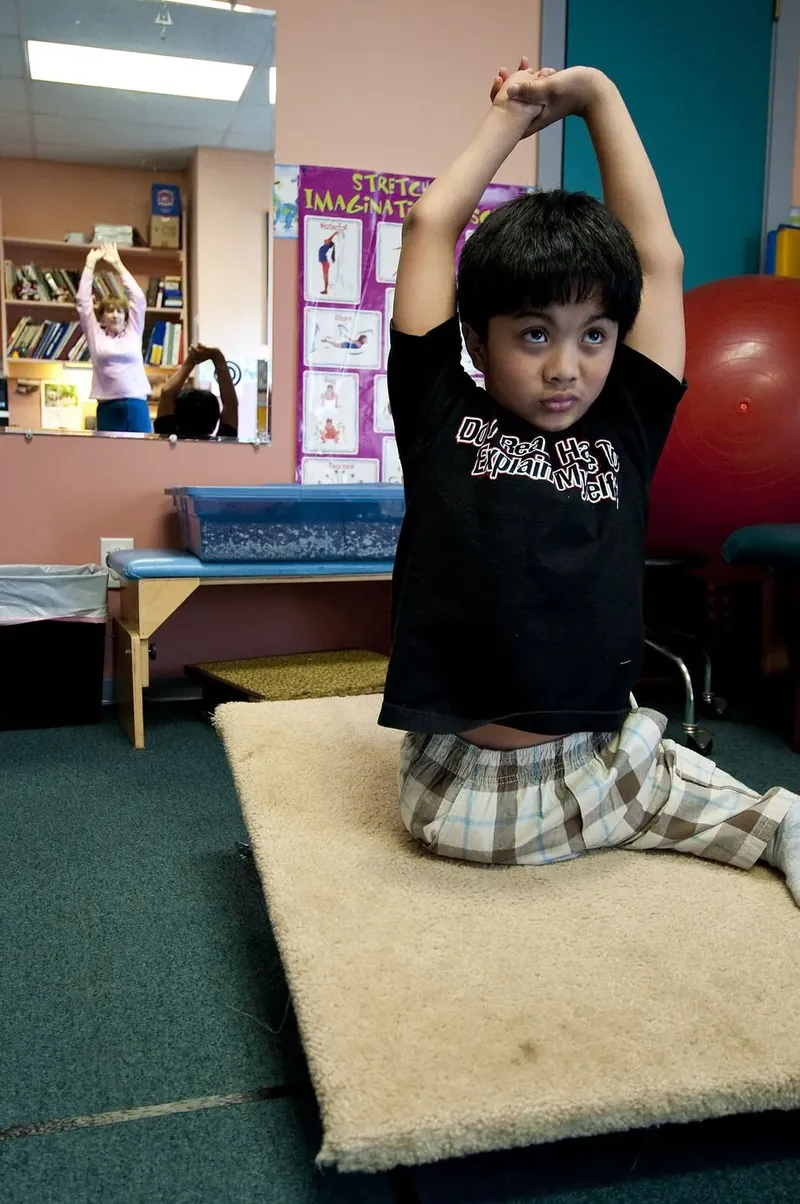
Child with arthritis school support — openly licensed via Openverse
What Teachers Need to Know
Teachers do not need to become medical experts. They need to understand four things: what JIA is in simple terms, what it looks like on a bad day, what adjustments help and what to do in an emergency.
Suggested Briefing Content (One Page Maximum)
What Is JIA?
"[Child's name] has juvenile idiopathic arthritis — a condition where the immune system causes inflammation in the joints. It is not the same as adult arthritis from old age. It can cause joint pain, stiffness (especially in the morning), fatigue and — during flares — significant limitation in movement. It is unpredictable: some days are fine, other days are much harder. This variability is part of the condition, not inconsistency."
What a Bad Day Looks Like
"On bad days or during a flare, [name] may: move more slowly, struggle to write or type for extended periods, need to sit closer to the exit, appear fatigued even early in the day, or need to take medication at school."
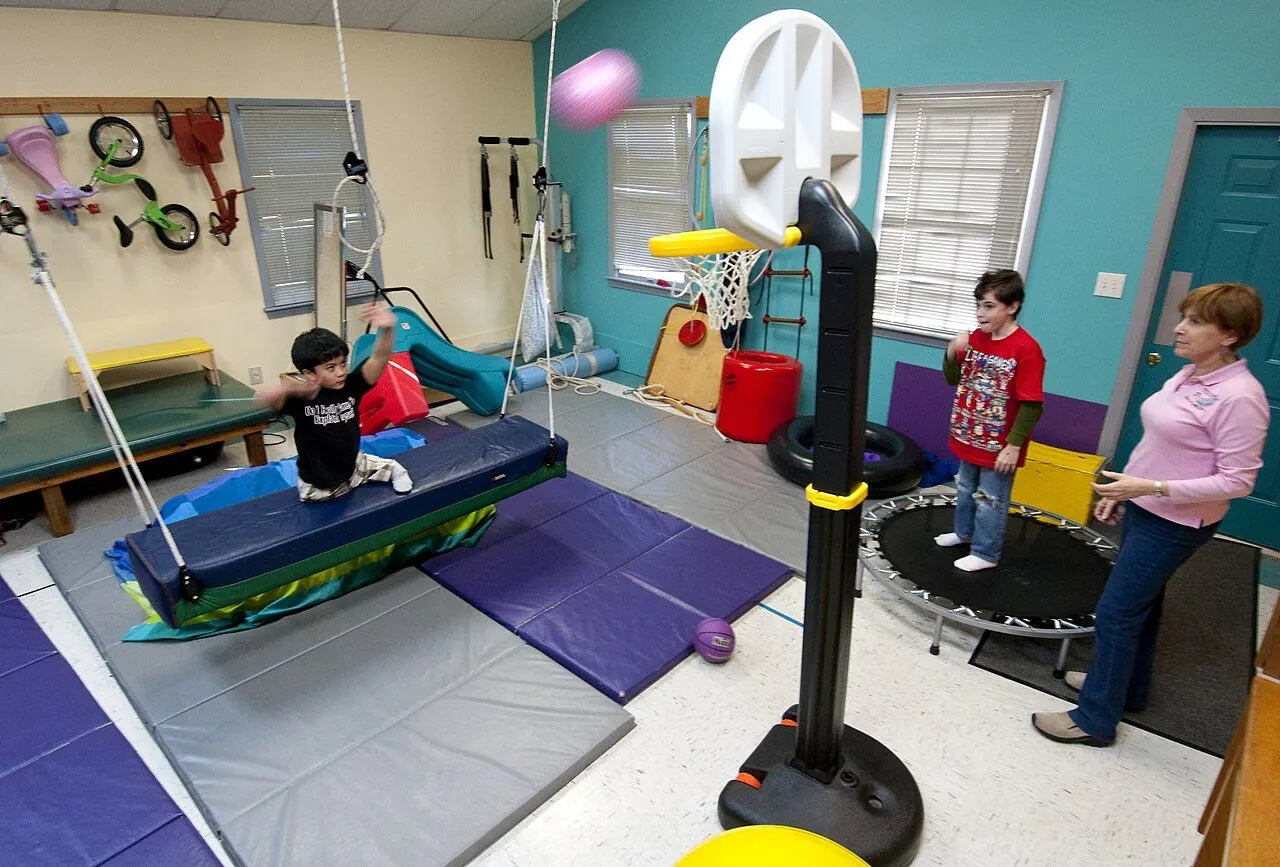
School support for child arthritis — openly licensed via Openverse
Adjustments That Help
- Seating near the exit to reduce walking distance
- Permission to use a laptop for extended writing tasks
- Extra time in assessments (arranged through the SENCo)
- Flexibility on PE — adapted activities, not exclusion
- A second set of materials to avoid heavy bag carrying
- Unrestricted toilet access
In an Emergency
"If [name] appears to have a severely swollen, hot joint alongside fever — contact parents immediately and consider urgent medical attention."
Who Else at School Should Know?
Head of Year or Form Tutor, SENCo (Special Educational Needs Coordinator), PE teacher, and the school nurse if available.
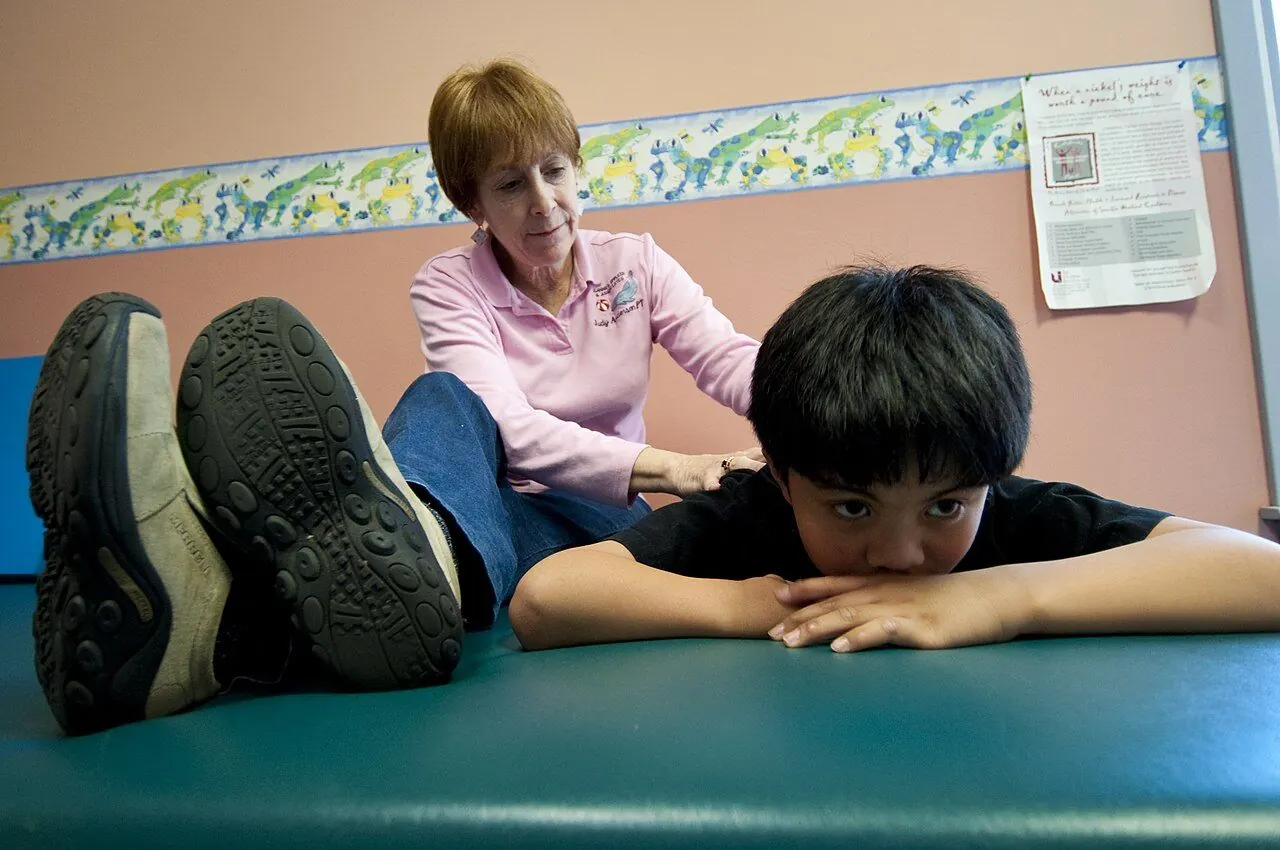
School and medical coordination — openly licensed via Openverse
Q&A
Question: Does the school have a legal obligation to make adjustments?
Short answer: Yes. The Equality Act 2010 requires schools to make reasonable adjustments for children with disabilities. JIA almost certainly qualifies as a disability under the Act.
Question: What if the teacher is dismissive?
Short answer: Escalate to the SENCo or Head of Year in writing. If unresolved, contact the local authority SEND team. Arthritis UK (formerly Versus Arthritis; arthritis-uk.org) also has school advocacy resources.
Practical next steps for How to Explain Juvenile Arthritis to School Teachers UK
If you came here about How to Explain Juvenile Arthritis to School Teachers UK, pick one change you can keep for a fortnight rather than overhauling everything at once. Note what hurts, what helps, and what you have already tried, then take that list to your GP, rheumatology nurse or physiotherapist so the conversation stays concrete.In many areas you can ask your NHS trust about self-referral to physiotherapy or lifestyle support without waiting for a hospital letter. Check your GP surgery website or the NHS App for the route that applies where you live.
Reliable UK sources
Cross-check major decisions with NHS.uk, your clinical team, and NICE guidance summaries where relevant. Be wary of social posts that promise reversal of arthritis or attack standard medicines without evidence.
Making information usable
Treat articles like this as a starting map, not a personal care plan. Highlight one idea to try for two weeks, then review. If symptoms are new, rapidly worsening, or affecting several joints with fever or unexplained weight loss, contact your GP promptly rather than waiting on self-help alone.
Peer support etiquette
Share what helps you without prescribing it for others. Conditions, medicines and life circumstances differ. If someone is in crisis, encourage them toward NHS 111, their GP, or emergency services rather than relying on a forum alone.
Quick questions about Explain Juvenile Arthritis School
Is this a substitute for seeing a clinician? No. Use it to prepare questions and understand options, then confirm decisions with your NHS team.How long before I judge whether a change helped? Give most habit or exercise changes at least two to four weeks, unless pain or swelling clearly worsens — in that case scale back sooner.
What should I track? Joint pain (0–10), morning stiffness time, sleep quality, and how far you can walk or how long you can type or stand. Patterns beat one-off ratings.
Safety and when to get urgent help
This page is general information for people in the United Kingdom, not personal medical advice. Seek urgent help via NHS 111 or A&E if you have sudden inability to move a joint, hot swollen joint with fever, chest pain, severe shortness of breath, or symptoms that feel immediately dangerous.
Keep learning with us
Explore related guides on Living With Arthritis — try the guides hub, diet hub, exercise hub, or site search to filter by topic and length. If benefits or work questions are on your mind, start at the Benefits & PIP hub.
Keep expectations kind while you work on how to explain juvenile arthritis to school teachers uk. Arthritis symptoms fluctuate; a quieter week does not mean you imagined earlier pain, and a flare does not mean every helpful habit has failed. Adjust one variable at a time so you can see what truly helps.
Continue reading
- Talking to Your Partner About — When telling a partner about arthritis, pick a calm moment and use clear, honest language to explain your symptoms and needs.
- Juvenile Arthritis School Support Guide for Parents UK — A comprehensive guide for parents of children with juvenile arthritis — school adjustments, legal rights, teacher communication and.
- Supporting a Partner With — Providing effective caregiver arthritis support means offering practical help during difficult days and providing emotional understanding.
- Adult Children as — As adult children caregivers, supporting a parent with arthritis brings emotional and practical challenges.
Living With Arthritis is independent of Arthritis UK, formerly Versus Arthritis.