Gout flare up diet and what foods to avoid is one of the most-searched topics for people diagnosed with gout — and with good reason. Diet is one of the most powerful modifiable factors in gout management, alongside urate-lowering medication.
Quick answer: Avoid for gout: organ meats, red meat (limit), sardines/anchovies, beer and spirits, and high-fructose drinks. Eat: cherries (some people include them; not a treatment), drink 2-3 litres water daily, include low-fat dairy. Diet alone rarely controls established gout — discuss allopurinol with your GP.
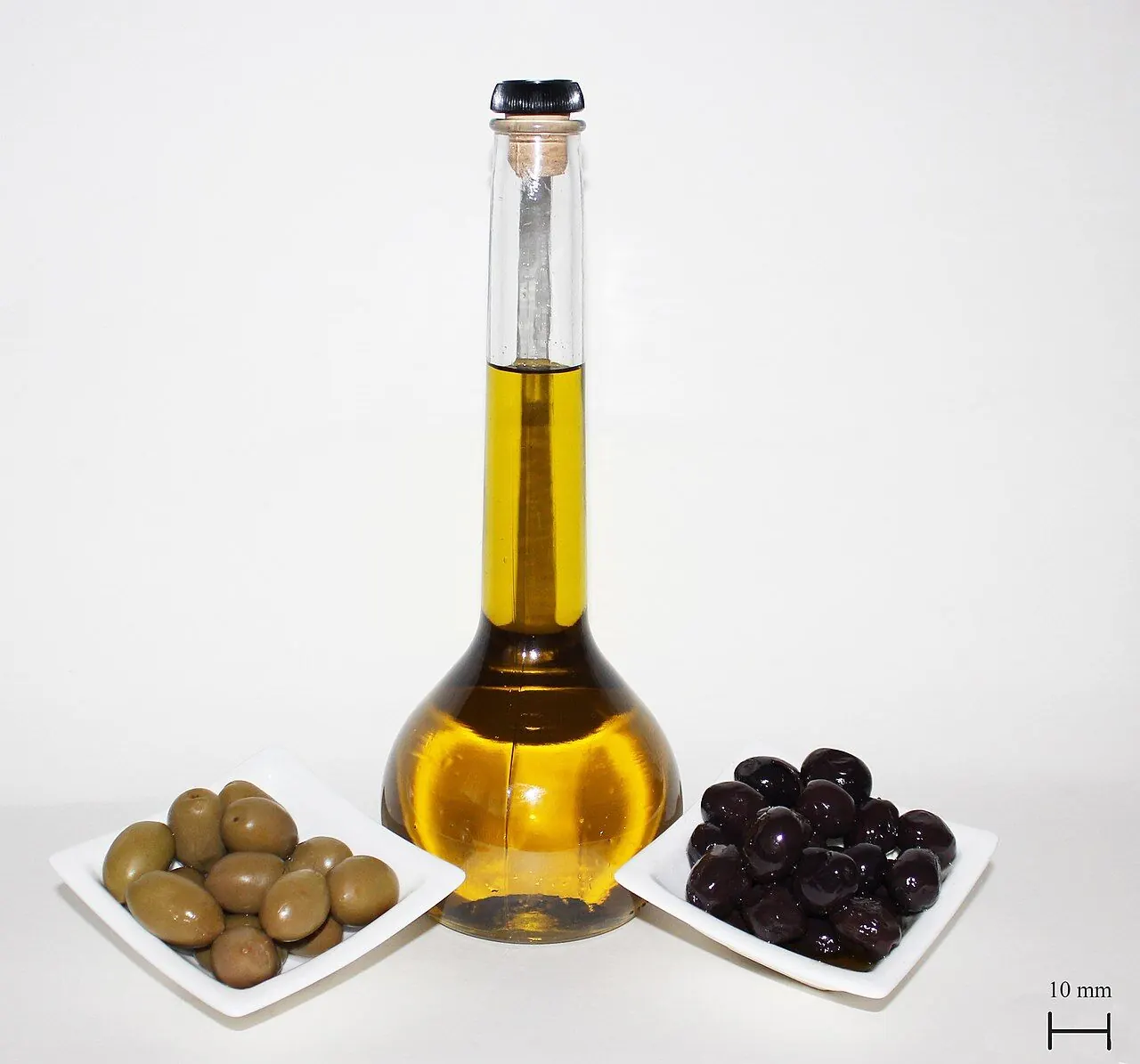
Healthy diet for gout — openly licensed via Openverse
Why Diet Matters in Gout
Gout is caused by elevated uric acid in the blood (hyperuricaemia). Uric acid is the breakdown product of purines — compounds found naturally in many foods and produced by the body. When uric acid levels rise too high, crystals form in joints, causing the agonising pain of a gout attack. Diet reduces uric acid by limiting purine intake and increasing excretion.
Foods to Avoid or Strictly Limit
High-Purine Animal Products
- Organ meats: liver, kidney, sweetbreads (very high purines — avoid entirely)
- Red meat: beef, lamb, pork — limit to 1–2 portions per week
- Certain fish: sardines, anchovies, herring, mackerel, scallops, mussels
- Game meats: venison, goose
Alcohol
Beer and spirits are particularly problematic — beer contains purines directly, and all alcohol raises uric acid by slowing its excretion. Even moderate alcohol consumption significantly raises attack risk. Wine in small amounts appears less harmful but should still be limited.
High-Fructose Foods and Drinks
Fructose raises uric acid independently of purines. Avoid: sweetened fizzy drinks, fruit juices, squash, high-fructose corn syrup products.
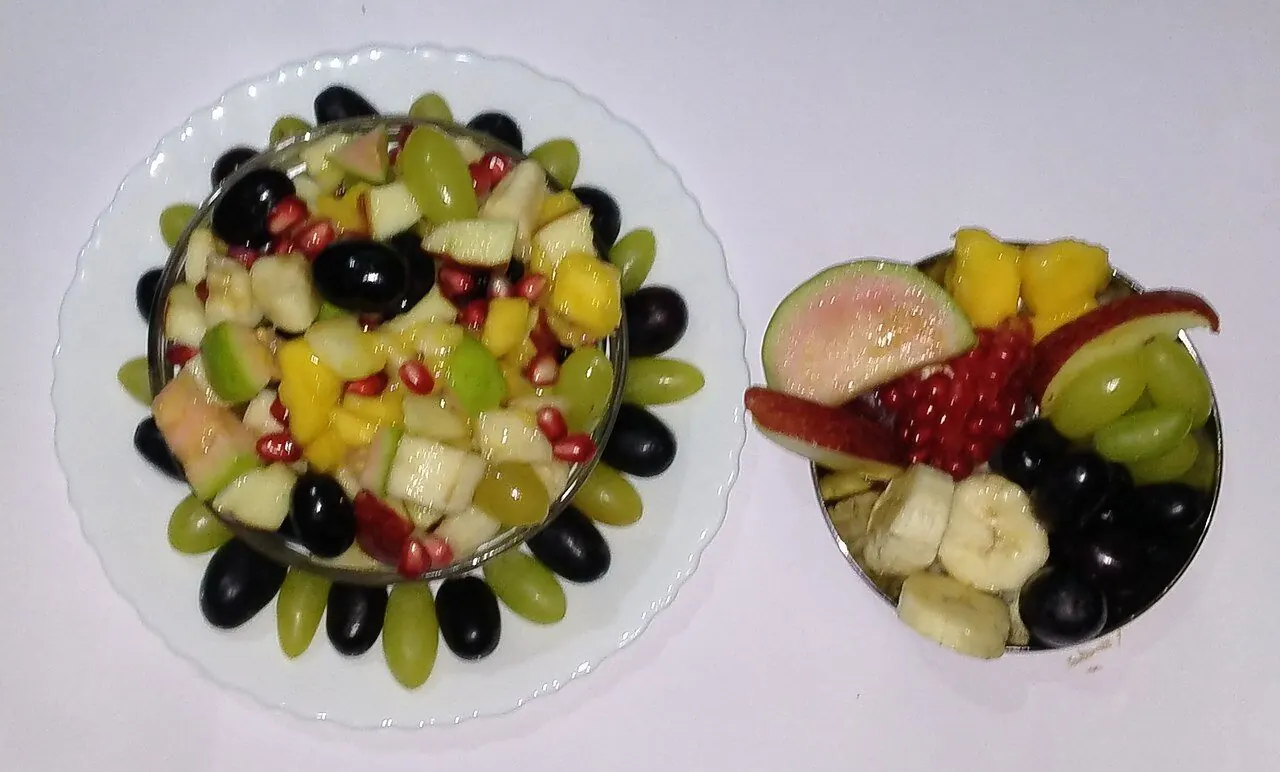
Gout-friendly foods — openly licensed via Openverse
Foods That Help Lower Uric Acid
- Cherries: a food some people include. This page does not treat cherries as a proven treatment or quote an attack-reduction figure.
- Water: 2–3 litres daily helps flush uric acid via the kidneys.
- Low-fat dairy: milk, yoghurt and low-fat cheese are associated with lower uric acid levels.
- Coffee: 4+ cups/day is associated with lower gout risk in studies (mechanism unclear — not recommended to start drinking coffee for gout, but existing coffee drinkers should not stop).
- Vegetables: despite purines in some veg (asparagus, spinach), vegetable purines do not raise uric acid in the same way as animal purines.
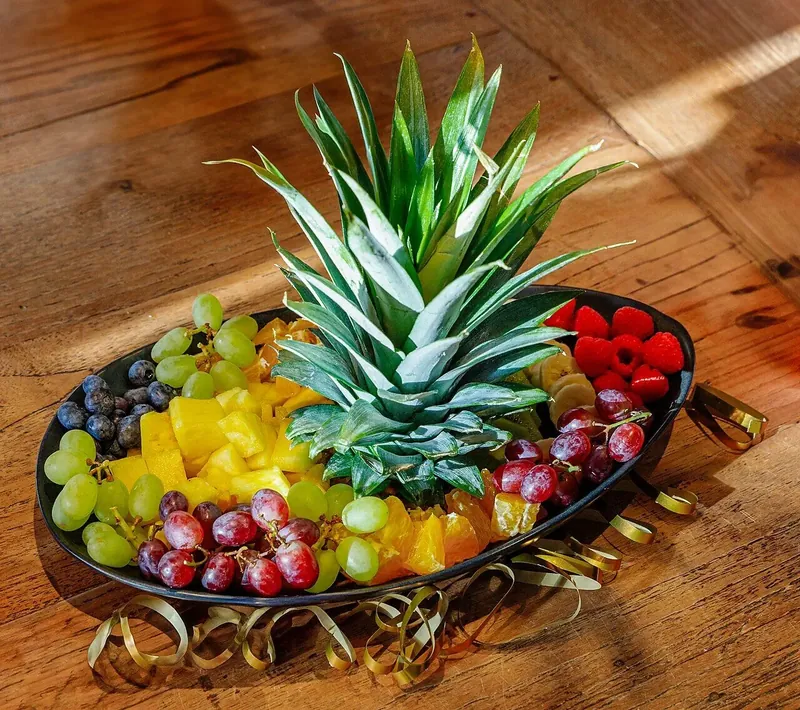
Healthy eating for gout — openly licensed via Openverse
Movement when gout flares
There is no best exercise for gout. During a flare, rest the painful joint. When the flare has settled, return to gentle movement you can do without forcing it. This is not an exercise programme. If a joint is hot and swollen, or you feel unwell, get medical advice rather than pushing through it.
Q&A
Question: Is diet enough to control gout without medication?
Short answer: For mild hyperuricaemia, diet alone can sometimes normalise uric acid. For established gout with recurrent attacks, urate-lowering therapy (allopurinol, febuxostat) is usually needed alongside dietary changes. Discuss with your GP.
Question: Does cherry juice really work?
Short answer: Multiple studies suggest cherries and cherry juice reduce gout attack frequency. The mechanism involves anthocyanins reducing inflammation and directly lowering uric acid. Use concentrated cherry juice (30ml daily) or eat 10–12 fresh/frozen cherries.
Practical next steps for Gout Flare Up Diet: What Foods to Avoid
If you came here about Gout Flare Up Diet: What Foods to Avoid, pick one change you can keep for a fortnight rather than overhauling everything at once. Note what hurts, what helps, and what you have already tried, then take that list to your GP, rheumatology nurse or physiotherapist so the conversation stays concrete.In many areas you can ask community musculoskeletal services about self-referral to physiotherapy or lifestyle support without waiting for a hospital letter. Check your GP surgery website or the NHS App for the route that applies where you live.
Everyday eating patterns
No single food cures arthritis. Patterns rich in vegetables, fruit, pulses, wholegrains and oily fish are the ones most often discussed in UK dietetic advice for inflammatory conditions. Keep changes realistic: swap one ultra-processed snack for fruit and nuts, or cook with olive oil more often than seed oils marketed as miracle cures.
Building a joint-friendly routine
Start with short sessions you can repeat on most days. Warm water, cycling, or paced walking often suits stiff joints better than sudden high-impact bursts. Increase time or resistance slowly, and leave a rest day when a joint is hot, swollen or unusually painful. If you are unsure where to begin, ask about NHS physiotherapy or an exercise referral scheme via your GP surgery.
Quick questions about Gout Flare Diet What
Is this a substitute for seeing a clinician? No. Use it to prepare questions and understand options, then confirm decisions with your NHS team.How long before I judge whether a change helped? Give most habit or exercise changes at least two to four weeks, unless pain or swelling clearly worsens — in that case scale back sooner.
What should I track? Joint pain (0–10), morning stiffness time, sleep quality, and how far you can walk or how long you can type or stand. Patterns beat one-off ratings.
Safety and when to get urgent help
This page is general information for people in the United Kingdom, not personal medical advice. Seek urgent help via NHS 111 or A&E if you have sudden inability to move a joint, hot swollen joint with fever, chest pain, severe shortness of breath, or symptoms that feel immediately dangerous.
Keep learning with us
Explore related guides on Living With Arthritis — try the guides hub, diet hub, exercise hub, or site search to filter by topic and length. If benefits or work questions are on your mind, start at the Benefits & PIP hub.
Keep expectations kind while you work on gout flare up diet: what foods to avoid. Arthritis symptoms fluctuate; a quieter week does not mean you imagined earlier pain, and a flare does not mean every helpful habit has failed. Adjust one variable at a time so you can see what truly helps.
Continue reading
- Anti-Inflammatory Diet for Arthritis — Best Foods to Eat — Discover the best anti-inflammatory foods for arthritis, a sample 3-day Mediterranean-style meal plan, foods to avoid, and joint-friendly.
- Expert Q&A: How to Talk to Your GP About Medication Worries — Concerns are valid. A practical script for an honest conversation.
- Foods to Avoid With Arthritis: A Complete UK Guide — Discover which foods trigger inflammation and joint pain — and what to eat instead.
- Rheumatoid Arthritis Diet UK – Anti-Inflammatory Foods — Evidence-based dietary guide for rheumatoid arthritis in the UK.