Quick answer: An anti-inflammatory diet for rheumatoid arthritis (RA) is a food-first Mediterranean-style pattern — oily fish, extra-virgin olive oil, vegetables, fruit, pulses and wholegrains — used beside DMARDs or biologics, not instead of them. It is not a cure. Limit ultra-processed foods, sugary drinks and excess alcohol (ask your rheumatology team about alcohol if you take methotrexate). Pair eating changes with paced movement and NHS care.
People living with RA often search for a “diet plan” when flares, fatigue or methotrexate advice collide with the supermarket aisle. This guide stays educational for UK readers: practical plates, honest limits, and links to deeper help. Start with the diet hub and the rheumatoid arthritis guide. For pain pacing see arthritis pain relief; if you are still finding your feet after diagnosis, use newly diagnosed.

Anti-inflammatory meal prep — openly licensed via Openverse
What “anti-inflammatory” means here (and what it does not)
The NHS rheumatoid arthritis treatment guide says there is no strong evidence that specific dietary changes improve RA, while recommending a balanced Mediterranean-style pattern. Treat the meal ideas here as practical nutrition support, not a promise of fewer flares.
Rheumatoid arthritis diet
A rheumatoid arthritis diet, on this page, means that food-first pattern. A UK anti-inflammatory diet usually points at the same kind of plate: oily fish, olive oil, vegetables, fruit, pulses, and wholegrains. It does not manage rheumatoid arthritis by itself and it is not a replacement for prescribed treatment.
Foods to prioritise on a UK plate
- Oily fish: salmon, mackerel, sardines, trout — aim for regular portions; see also omega-3 foods for joints.
- Extra-virgin olive oil: default cooking and dressing fat.
- Vegetables and fruit: leafy greens, colourful veg, berries — everyday, not occasional.
- Pulses and wholegrains: lentils, beans, oats, brown rice, wholemeal bread.
- Nuts and seeds: walnuts, ground flax — useful, but plant ALA is not a like-for-like swap for fish EPA/DHA.
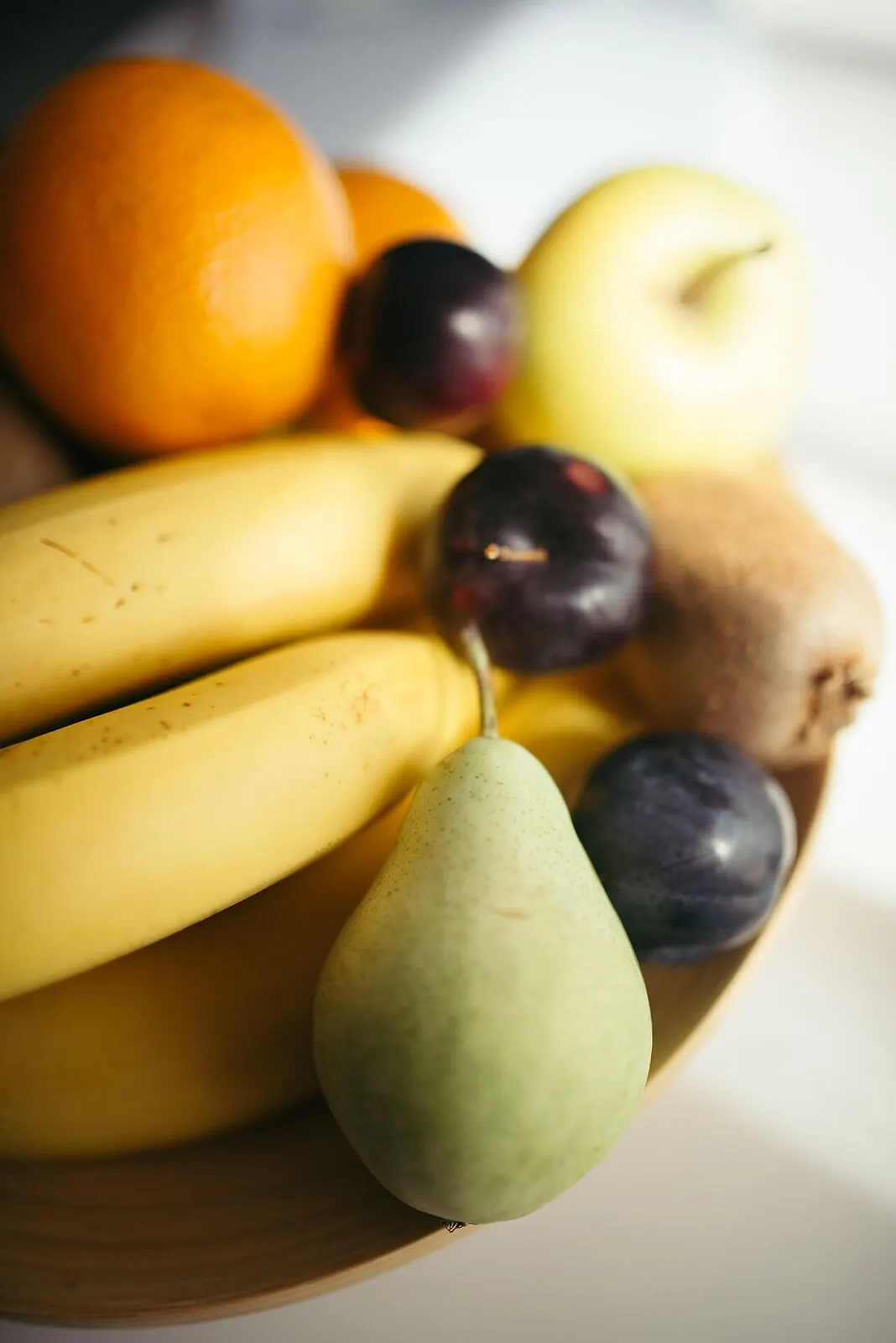
Anti-inflammatory foods — openly licensed via Openverse
Diet plan for rheumatoid arthritis
A Practical Diet Plan for Rheumatoid Arthritis
The days below are examples already on this page, not a plan you must follow and not a promise about pain or inflammation. Use foods you can actually get. It does not replace prescribed treatment.
- Monday: Grilled mackerel with roasted vegetables and brown rice
- Tuesday: Lentil soup with wholemeal bread; berries with yoghurt
- Wednesday: Salmon salad with olive-oil dressing
- Thursday: Chickpea and spinach curry with brown rice
- Friday: Trout with sweet potato and broccoli
- Weekend: Mediterranean-style mezze — hummus, olives, vegetables, wholemeal pitta
Batch-cook on better-energy days and freeze portions for flare weeks when chopping is hard.
What to limit — with medication caveats
- Ultra-processed snacks and sugary drinks
- Large amounts of red and processed meat
- Alcohol — especially important to discuss with your team if you take methotrexate or other medicines that stress the liver
- Supplement stacks marketed as RA cures — food-first is safer; if you trial a product, check interactions at a pharmacy and set a stop date (see supplements hub and knee supplements honesty guide)

Meal planning for rheumatoid arthritis — openly licensed via Openverse
How this sits beside NHS RA care
NICE guidance for rheumatoid arthritis centres on early specialist care and disease-modifying treatment. Eating well supports energy, weight (where relevant) and overall cardiovascular health — it does not replace monitoring blood tests or prescribed therapy. If money or mobility is the bigger stressor while you change habits, use the Benefits & PIP hub alongside diet changes.
Affordable meal ideas to adapt
- Breakfast: porridge with fruit, using a milk or suitable alternative you tolerate.
- Lunch: a bean-and-vegetable soup with wholegrain bread.
- Dinner: fish or pulses with vegetables and a wholegrain side.
These are flexible examples, not a personalised meal prescription. Adjust them for allergies, appetite and any advice from your dietitian. Frozen vegetables and tinned pulses can simplify shopping and preparation.
Quick questions
Will this diet cure my RA? No. It is a supportive pattern, not a cure or a substitute for DMARDs/biologics.
How long before I judge a change? Give habit changes a few weeks unless symptoms clearly worsen — then scale back and contact your team.
Do I need expensive “anti-inflammatory” products? Usually not. Frozen veg, tinned fish and supermarket olive oil cover most of the pattern.
Educational information for people in the United Kingdom — not personal medical or dietetic advice. Charity no. 1218461.
Continue with related help
- Diet hub — anti-inflammatory patterns
- Rheumatoid arthritis guide — NHS pathways
- Omega-3 foods for joints — fish and ALA limits
- Supplements hub — food-first caution
- Knee joint supplements — honest limits
- Arthritis pain relief — pacing and movement
- Newly diagnosed — first steps
- Benefits & PIP hub — daily living support
- RA diet UK — wider food notes
When to get urgent help
Call 999 or go to A&E if you have chest pain, sudden weakness or numbness, severe breathlessness, a suspected broken bone after a fall, or back pain with new loss of bladder or bowel control or numbness around your bottom or genitals.
Contact NHS 111 or your GP urgently if a joint suddenly becomes hot, red, swollen and very painful, especially if you feel unwell or have a fever, or if your symptoms are getting rapidly worse.