Quick answer: Arthritis pain management often works best as a combination of gentle movement, sensible pacing, rest, practical adaptations and appropriate healthcare support. Heat or cold may also help some people. The right approach depends on your type of arthritis, symptoms and general health.
Arthritis pain management is rarely about finding one thing that makes all the discomfort disappear. For many people, day-to-day management involves combining gentle movement, pacing, rest, practical adaptations and appropriate healthcare support in a way that suits their symptoms.
Arthritis affects everyone differently. Pain can change according to the type of arthritis you have, the joints involved, your activity levels and whether you are experiencing a flare-up. The aim is not to push through every difficult day, but to find a manageable balance that helps you stay active without ignoring what your body is telling you.
What can help with arthritis pain day by day
Several approaches may help:
- regular, appropriately adapted movement;
- strengthening and mobility exercises suited to your ability;
- balancing activity with rest;
- pacing larger jobs;
- heat or cold for some joint discomfort;
- practical adaptations;
- discussing medicines safely with a GP or pharmacist;
- support from physiotherapists or occupational therapists.
There is no single method that works for everyone. Treatment and support depend on the type of arthritis and how it affects you.
Why arthritis pain can change from one day to the next
Arthritis is not one single condition. Different types can behave differently, and pain may come with stiffness, swelling or difficulty moving a joint. Some people experience flare-ups, when usual symptoms temporarily become worse.
That can make planning frustrating. You might manage a walk comfortably one day but find the same distance difficult another. Rather than judging yourself against yesterday, it can be more useful to ask: What feels manageable today?
How gentle movement can help arthritis pain
For many people, appropriate movement is an important part of managing arthritis. Completely avoiding movement can contribute to stiffness and loss of strength. For osteoarthritis, NICE recommends therapeutic exercise tailored to the individual, including muscle-strengthening and general aerobic exercise.
Depending on your health and abilities, manageable options may include a short walk, gentle mobility movements, swimming or water-based activity, cycling, seated movement or strengthening exercises recommended for you. Our guide to gentle exercises for arthritis and the exercise hub have more ideas.
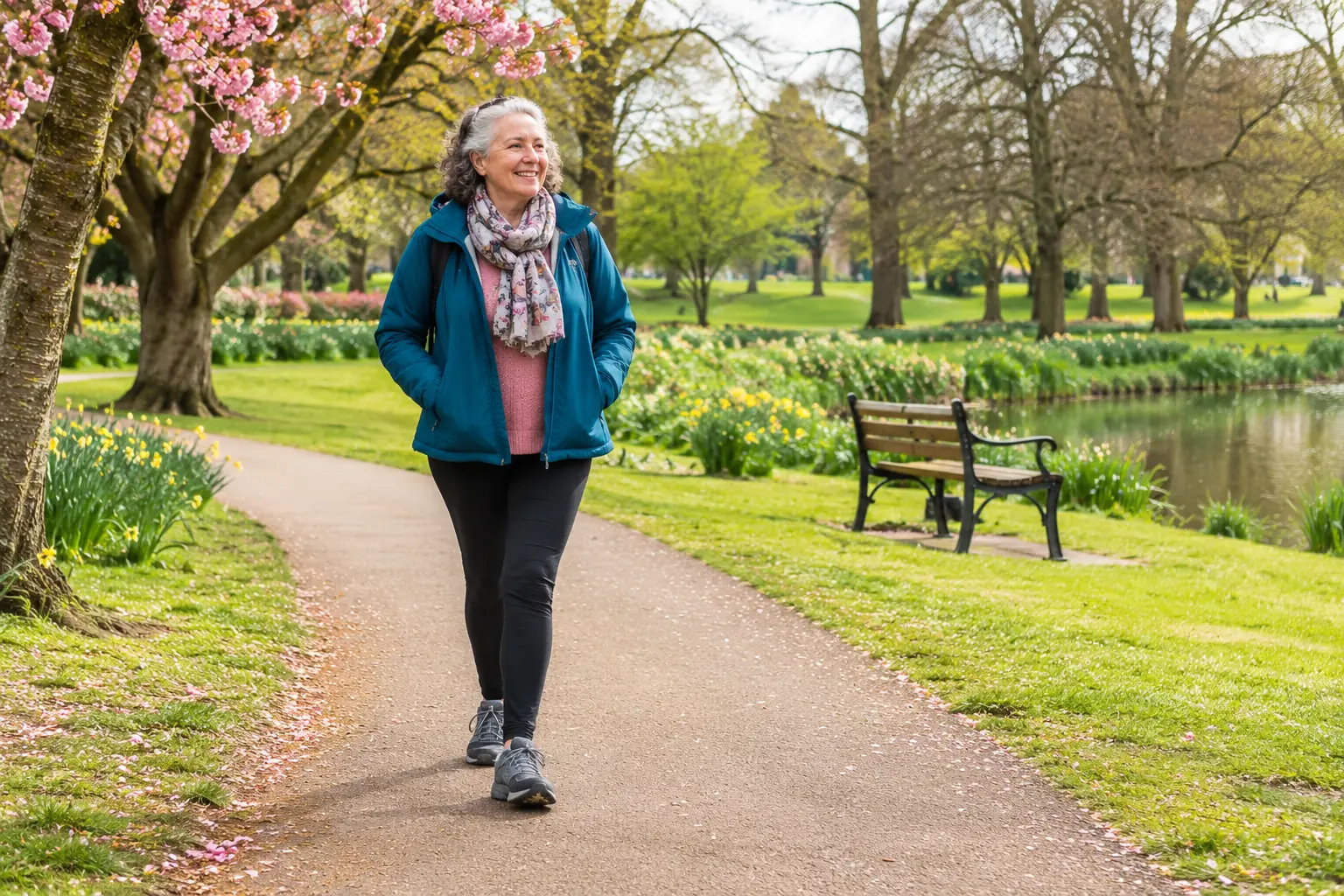
Try this gently: On a stiff day, consider starting with a small amount of comfortable movement rather than aiming for your full routine. Build up gradually if your body responds well. Stop if pain feels sharp, severe or unusual.
Resting when arthritis hurts
Rest can be useful, particularly when symptoms are more troublesome. But complete inactivity for long periods may make joints feel stiffer and can reduce muscle strength. The practical answer is often relative rest rather than doing nothing.
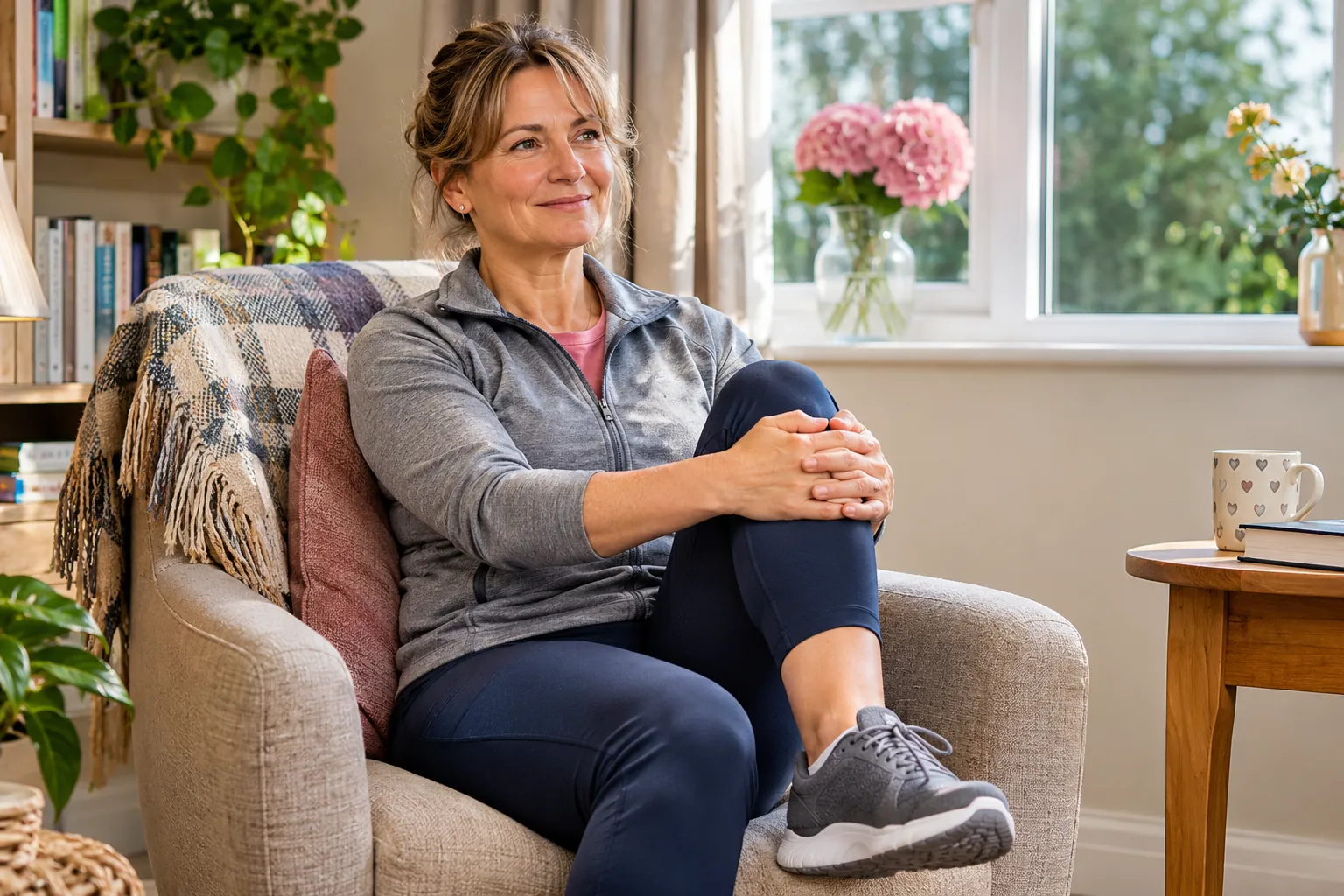
For example, instead of cleaning the whole house despite increasing pain, you might clean one room, rest, and move another task to a different day. This is where pacing can be particularly useful.
How pacing helps with arthritis pain
Pacing means spreading physical and mental demands more evenly instead of repeatedly switching between doing too much and then needing a long recovery. It can be especially useful when pain and fatigue are unpredictable. Our step-by-step guide to pacing activities with arthritis goes into more detail.
| Situation | Instead of | You could try |
|---|---|---|
| Housework | Every job in one session | Split jobs across the day or week |
| Walking | Continue until pain is difficult | Plan a shorter route with places to rest |
| Gardening | Work continuously for hours | Alternate tasks and take planned breaks |
| Cooking | Stand throughout preparation | Prepare ingredients seated where practical |
| Shopping | Carry several heavy bags | Use delivery, a trolley or smaller trips |
Helpful tip: Consider stopping for a planned break before pain or fatigue becomes overwhelming, rather than waiting until you have no choice but to stop.
Using heat or cold for arthritis pain
Some people find heat or cold useful, although the response varies. Warmth may feel soothing when joints or surrounding muscles feel stiff. Cold may feel helpful when a joint is particularly sore or swollen. Never place very hot or frozen items directly against your skin. See heat vs ice for arthritis for more on choosing between them.
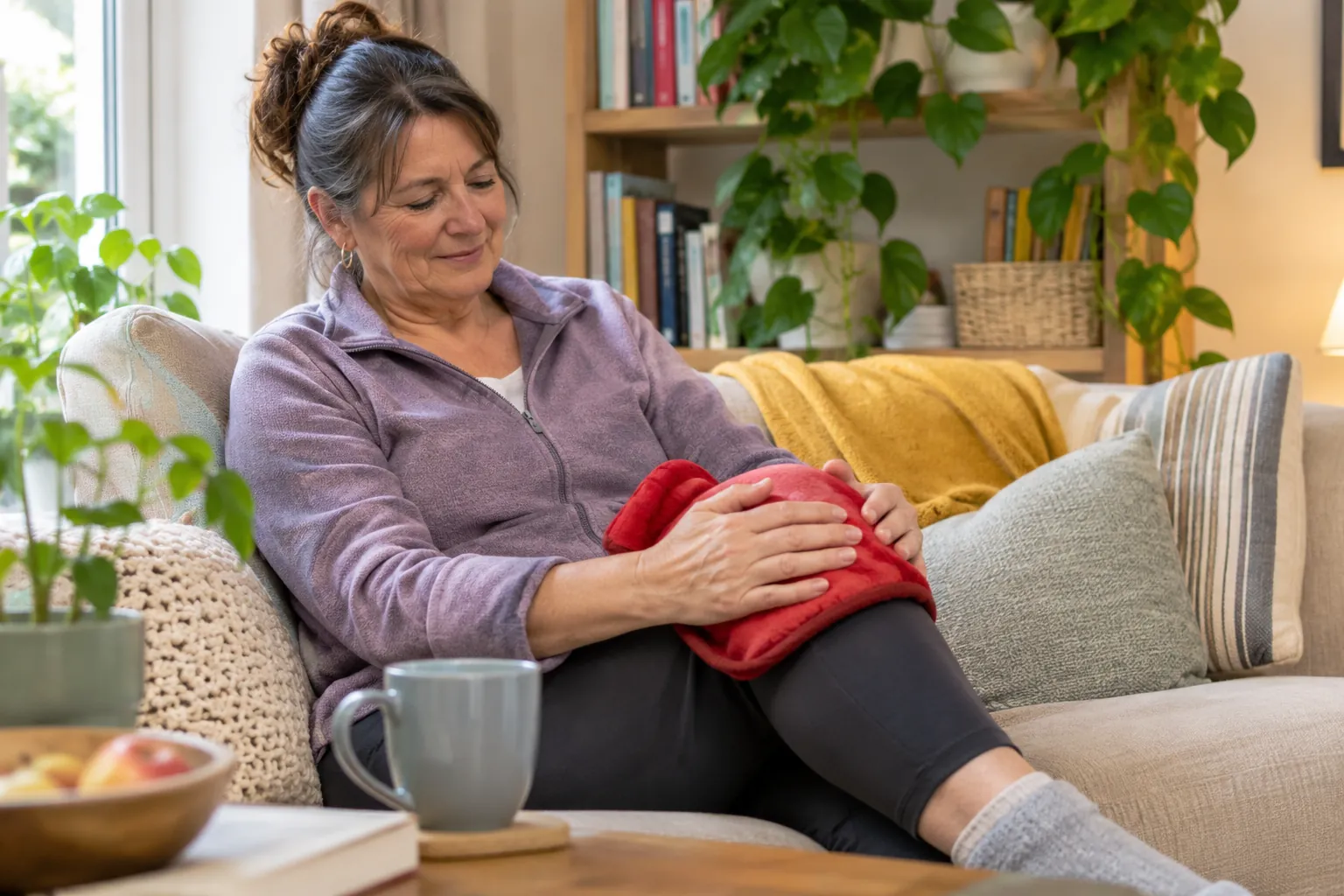
If you have reduced skin sensation, circulation problems or another health condition that could affect the safe use of heat or cold, ask a healthcare professional before using them.
The role of pain medicines
Pain medicines can form part of arthritis pain management, but the right medicine depends on the type of arthritis, your health, other medicines you take and your individual risks. Speak to your GP or pharmacist about what may be appropriate for you. Do not start, stop, increase, reduce or otherwise change prescribed medicine without appropriate professional advice.
Everyday adaptations that can reduce joint strain
Sometimes arthritis pain management is less about treating pain directly and more about changing the demands placed on painful joints. Practical changes may include sitting for tasks that normally require prolonged standing, keeping commonly used objects within easy reach, using easier-to-grip equipment, or alternating activities that use different joints.

An occupational therapist can help identify ways to make everyday activities easier and more manageable.
What helps during an arthritis flare-up
During a flare-up, your normal routine may temporarily need to change. You might reduce activities that clearly aggravate symptoms, allow additional rest, continue comfortable movement where possible, break essential tasks into smaller stages and ask for healthcare advice if symptoms are unusually severe or different from normal. Read more in what to do when arthritis symptoms get worse.
How sleep and stress can affect how pain feels
Pain can make sleep difficult, and tiredness can make an already difficult day feel harder. Focus on practical habits that feel achievable, such as keeping a fairly regular bedtime and making your sleeping position as comfortable as possible. If persistent pain is leaving you anxious, low or isolated, mention this to your healthcare team. Our guide to poor sleep and arthritis pain has more practical ideas.
When physiotherapy or occupational therapy might help
A physiotherapist may be able to help with movement, strength, mobility and choosing exercises appropriate for your needs. An occupational therapist focuses on making everyday activities manageable, which may include dressing, cooking, working or household tasks.
What a realistic day of arthritis pain management looks like
- Morning: Allow extra time if stiffness is worse when you wake and begin with comfortable movement.
- Mid-morning: Complete one or two priority activities rather than trying to catch up on everything.
- Lunchtime: Change position and take a planned rest if needed.
- Afternoon: Choose activity according to how you feel now, rather than automatically following the original plan.
- Evening: Reduce unnecessary physical demands and use safe comfort measures that normally work for you.
When to get medical help for joint pain
New, severe or rapidly worsening symptoms should not automatically be assumed to be your usual arthritis.
When to get help: Seek urgent medical advice for sudden severe pain or swelling, a hot and very painful joint, signs of infection, sudden inability to bear weight, or symptoms that feel unusual or worrying for you. Call 999 for a medical emergency such as severe breathing difficulty, chest pain or sudden serious neurological symptoms.
Seeing your GP: Speak to your GP if pain is new, worsening, affecting daily life or no longer responding to your usual management. Seek urgent advice for a suddenly hot or swollen joint, severe pain or signs you may be unwell.
Key takeaways
Arthritis pain management usually involves several strategies rather than one quick solution. Appropriate movement, rest, pacing, practical adaptations and professional support can all have a role. Medicines should be discussed with a GP or pharmacist. What works best can change from day to day, so flexibility matters.
Frequently asked questions
What is the best treatment for arthritis pain?
There is no single best treatment for everyone. Management may involve exercise, pacing, medicines, physiotherapy, occupational therapy and practical adaptations.
Should I exercise when my arthritis is painful?
Gentle, appropriate movement is often encouraged, but activity should be adapted to how you feel. Start gradually and stop if pain becomes sharp, severe or unusual.
Is it better to use heat or ice for arthritis?
Some people prefer warmth for stiffness, while others find cold more comfortable for a painful or swollen area. Responses vary, and skin should be protected.
Should I rest completely during an arthritis flare-up?
Extra rest may help, but completely stopping all movement for long periods can contribute to stiffness. Where possible, balance rest with comfortable movement.
Can arthritis pain be managed without medication?
Non-medication approaches can play an important role, but some people also need medicine. Do not stop prescribed medication without speaking to a healthcare professional.
Can physiotherapy help with arthritis pain?
Physiotherapy can support strength, movement, fitness and mobility for some people with arthritis and help adapt activity to individual needs.
Find more support for living with arthritis
Managing arthritis pain is often a process of finding the right balance for you. Some days may allow more activity, while others call for more rest, pacing and practical support.
Explore further information and resources at Living With Arthritis. If you are unsure how to manage your symptoms safely, speak to your GP, physiotherapist, pharmacist or another appropriate healthcare professional.
This information is general and is not a substitute for personalised medical advice.
Continue with related help
- How to pace activities — avoid boom and bust
- Arthritis flare-up: what to do — when symptoms get worse
- Gentle exercises for arthritis — movement without overdoing it
- Heat vs ice for arthritis — which to use and when
- Physiotherapy for arthritis — how it helps and how to access it
- Occupational therapy for daily hand pain — making daily tasks easier