Tai chi for arthritis joint pain benefits are well-established in the medical literature. Multiple systematic reviews and randomised controlled trials confirm that regular tai chi practice reduces pain, improves balance and function, and supports mental wellbeing in people with all major arthritis types.
Quick answer: Tai chi reduces arthritis pain, improves balance and function based on multiple systematic reviews. The Arthritis Foundation Tai Chi programme is specifically adapted for arthritis. Benefits appear within 8-12 weeks of twice-weekly practice.
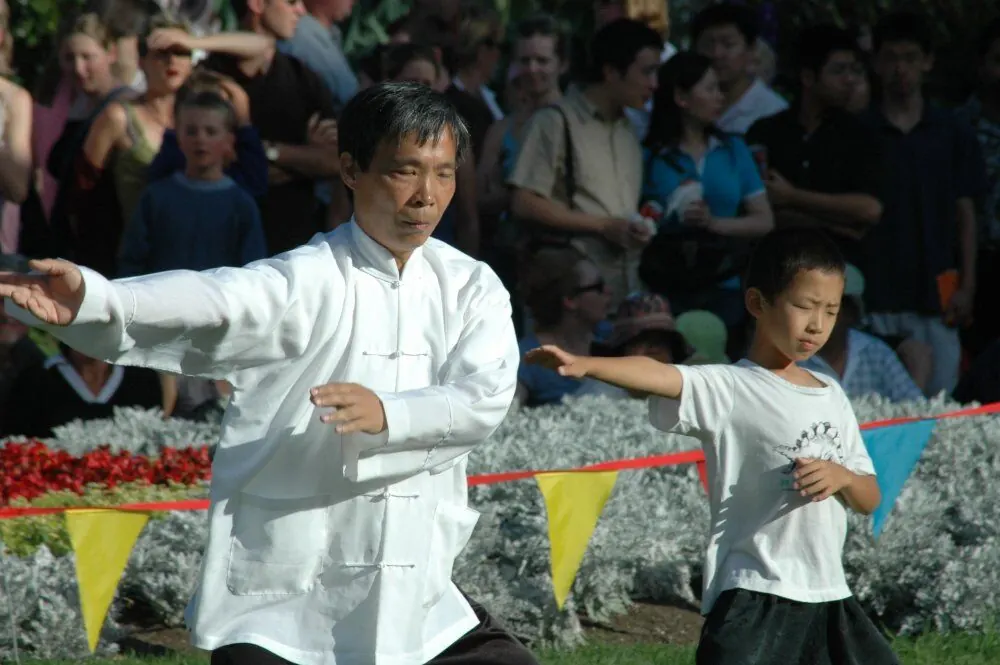
Tai chi for arthritis — openly licensed via Openverse
What the Evidence Says
A 2016 Cochrane review of tai chi for rheumatoid arthritis found significant improvements in pain, physical function and disease activity. A 2019 systematic review in BMJ Open found tai chi reduced pain in osteoarthritis as effectively as conventional physical therapy. The Arthritis Foundation's Tai Chi programme — developed specifically for arthritis — has been evaluated in over 20 studies with consistently positive results.
Why Tai Chi Works for Arthritis
Tai chi combines slow, flowing movements with deep breathing and mindful attention. For arthritis patients, this offers several simultaneous benefits:
- Strength: Weight-bearing through changing positions builds leg and core strength without impact loading.
- Balance: Single-leg transitions improve proprioception, reducing fall risk significantly.
- Range of motion: Flowing movements gently take joints through their range without forcing them.
- Stress reduction: Mindful breathing and movement reduce cortisol levels, which can moderate inflammatory processes.
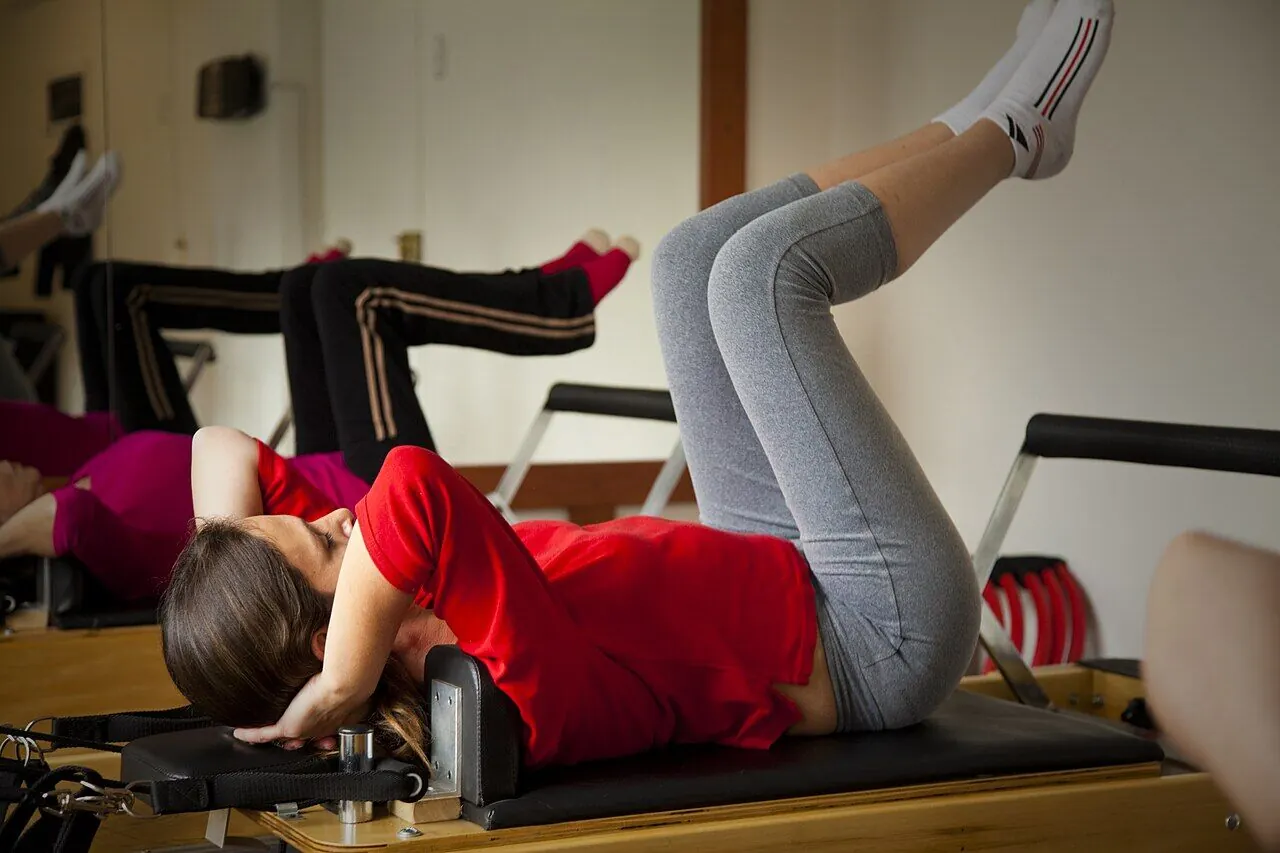
Mindful movement for arthritis — openly licensed via Openverse
Getting Started With Tai Chi for Arthritis
The Arthritis Foundation Tai Chi programme is specifically adapted for people with arthritis and is the most extensively researched format. Key adaptations include shorter sessions (45–60 minutes), chair-assisted versions of movements, and explicit guidance on managing flares. Look for instructors certified in this specific programme rather than general tai chi teachers.
In the UK, many leisure centres, community centres and NHS self-management programmes offer tai chi classes. Some are free or subsidised. Search "tai chi arthritis" plus your area, or ask your GP about NHS social prescribing programmes that include exercise classes.

Group exercise for seniors — openly licensed via Openverse
Q&A
Question: Is tai chi safe during an arthritis flare?
Short answer: During a mild flare, gentle seated versions of tai chi movements are usually safe. Avoid weight-bearing practice during severe flares with significant joint swelling. Resume gradually as the flare settles.
Question: How long before I notice benefits?
Short answer: Most studies suggest measurable improvements in pain and function after 8–12 weeks of twice-weekly practice. Balance improvements can appear within 4–6 weeks.
Practical next steps for Tai Chi for Arthritis Joint Pain: Benefits and Evidence
If you came here about Tai Chi for Arthritis Joint Pain: Benefits and Evidence, pick one change you can keep for a fortnight rather than overhauling everything at once. Note what hurts, what helps, and what you have already tried, then take that list to your GP, rheumatology nurse or physiotherapist so the conversation stays concrete.In many areas you can ask your NHS trust about self-referral to physiotherapy or lifestyle support without waiting for a hospital letter. Check your GP surgery website or the NHS App for the route that applies where you live.
Pacing on good and bad days
On better days it is tempting to catch up on everything at once. Spread chores and exercise across the week instead. Use the two-hour rule many physiotherapists suggest: if pain or fatigue is clearly worse two hours after activity, the dose was too high — trim the next session rather than stopping altogether.
Building a joint-friendly routine
Start with short sessions you can repeat on most days. Warm water, cycling, or paced walking often suits stiff joints better than sudden high-impact bursts. Increase time or resistance slowly, and leave a rest day when a joint is hot, swollen or unusually painful. If you are unsure where to begin, ask about NHS physiotherapy or an exercise referral scheme via your GP surgery.
Benefits conversations
Personal Independence Payment (PIP) looks at how your condition affects daily living and mobility, not the diagnosis name alone. Keep a short diary of bad days, help you need with dressing or cooking, and walking limits. Welfare rights advisers at local councils or charities can check forms before you submit them.
Work, rights and practical adjustments
Under the Equality Act 2010, employers in Great Britain should consider reasonable adjustments when arthritis has a substantial long-term effect. That can mean flexible hours, more breaks, seating, parking closer to the entrance, or software that reduces typing strain. Acas and Citizens Advice both publish plain-English guides you can take into a meeting.
Supplements versus meals
Food-first is usually safer than stacking capsules. If you do try a supplement, choose a reputable UK brand, check for interactions with your medicines (especially blood thinners), and give any trial a clear stop date so you can judge whether symptoms truly changed.
Quick questions about Arthritis Joint Pain Benefits
Is this a substitute for seeing a clinician? No. Use it to prepare questions and understand options, then confirm decisions with your NHS team.How long before I judge whether a change helped? Give most habit or exercise changes at least two to four weeks, unless pain or swelling clearly worsens — in that case scale back sooner.
What should I track? Joint pain (0–10), morning stiffness time, sleep quality, and how far you can walk or how long you can type or stand. Patterns beat one-off ratings.
Safety and when to get urgent help
This page is general information for people in the United Kingdom, not personal medical advice. Seek urgent help via NHS 111 or A&E if you have sudden inability to move a joint, hot swollen joint with fever, chest pain, severe shortness of breath, or symptoms that feel immediately dangerous.
Keep learning with us
Explore related guides on Living With Arthritis — try the guides hub, diet hub, exercise hub, or site search to filter by topic and length. If benefits or work questions are on your mind, start at the Benefits & PIP hub.
Keep expectations kind while you work on tai chi for arthritis joint pain: benefits and evidence. Arthritis symptoms fluctuate; a quieter week does not mean you imagined earlier pain, and a flare does not mean every helpful habit has failed. Adjust one variable at a time so you can see what truly helps.
Continue reading
- Anxiety and Arthritis: Why It Happens and How to Manage It — Living with persistent joint pain naturally brings worry, but when persistent arthritis anxiety takes hold, it can make managing your.
- Knee Arthroscopy for Osteoarthritis: Helpful or Hype? — Modern evidence has narrowed its role considerably.
- Best Back Exercises for Arthritis – Spondylosis & RA (UK) — UK physiotherapist-approved exercises for back and spinal arthritis.
- Best Knee Exercises for Arthritis – OA & RA Guide (UK) — UK physiotherapist-approved exercises for knee arthritis.