How to claim PIP for osteoarthritis in both knees — bilateral knee OA can severely limit mobility and daily activities, but because it is not immediately visible and many people with OA push through pain without complaint, PIP applications for OA are often initially refused. This guide shows you how to claim effectively.
Quick answer: For PIP with bilateral knee OA: describe functional impact in detail — standing time limit, difficulty dressing, mobility distance with stops. Include GP supporting letter stating functional limitations (not just diagnosis). An OT assessment report is strong evidence. If refused, appeal — 60-70% success rate at tribunal.
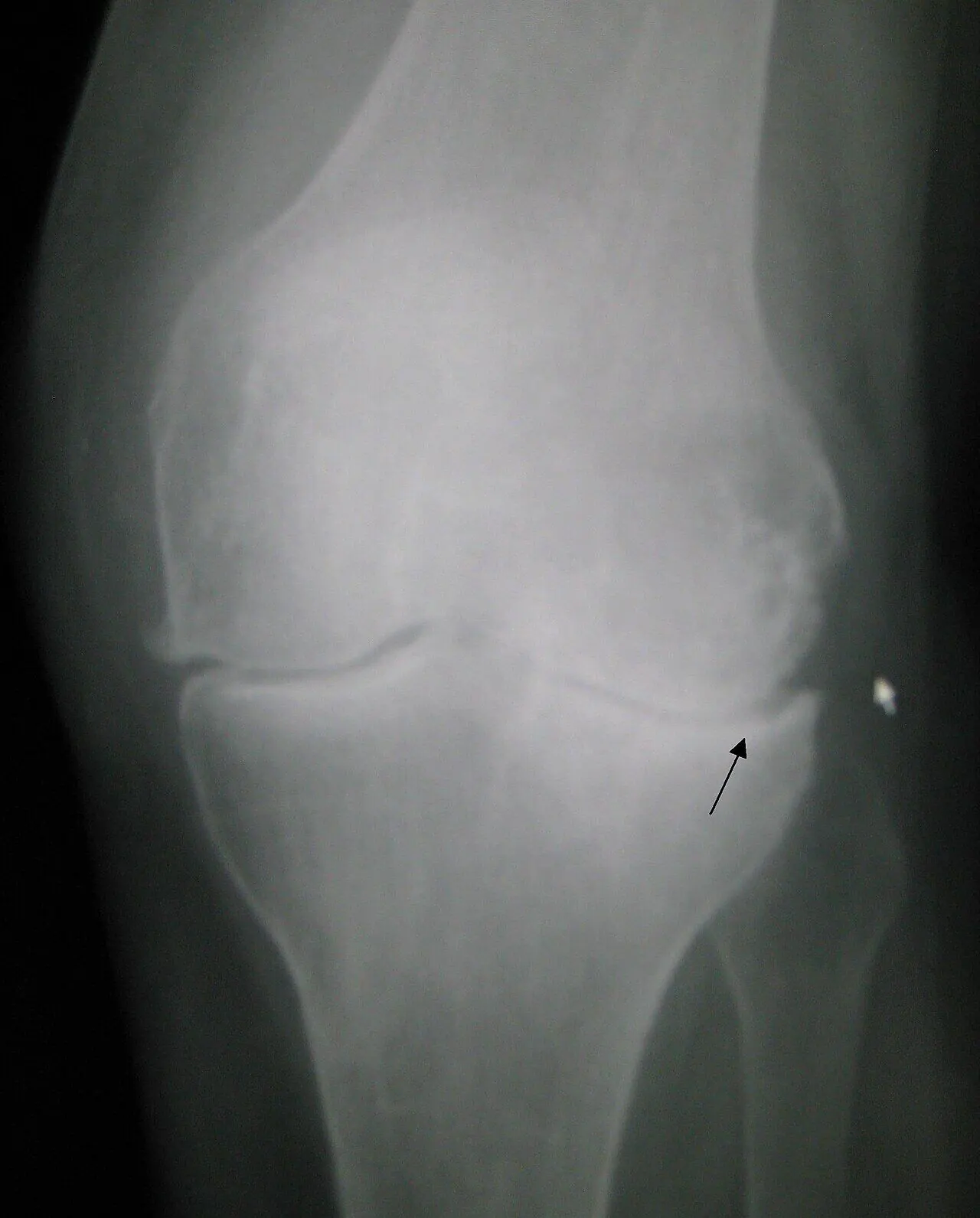
Knee osteoarthritis — openly licensed via Openverse
Does OA in Both Knees Qualify for PIP?
Yes — if it substantially affects your daily living or mobility activities. The DWP does not award PIP based on a diagnosis. A successful claim depends on clearly describing how OA in both knees affects you on your worst typical days (which, for bilateral severe OA, might mean most days).
Daily Living Activities Commonly Affected by Bilateral Knee OA
- Preparing food: Cannot stand at the hob for more than 10 minutes without significant pain
- Washing and bathing: Cannot get in/out of bath unaided; needs grab rail or walk-in shower
- Dressing: Cannot pull on trousers or socks without difficulty due to limited knee bend
- Managing medication: Opens bottles with difficulty; needs blister pack dispensing
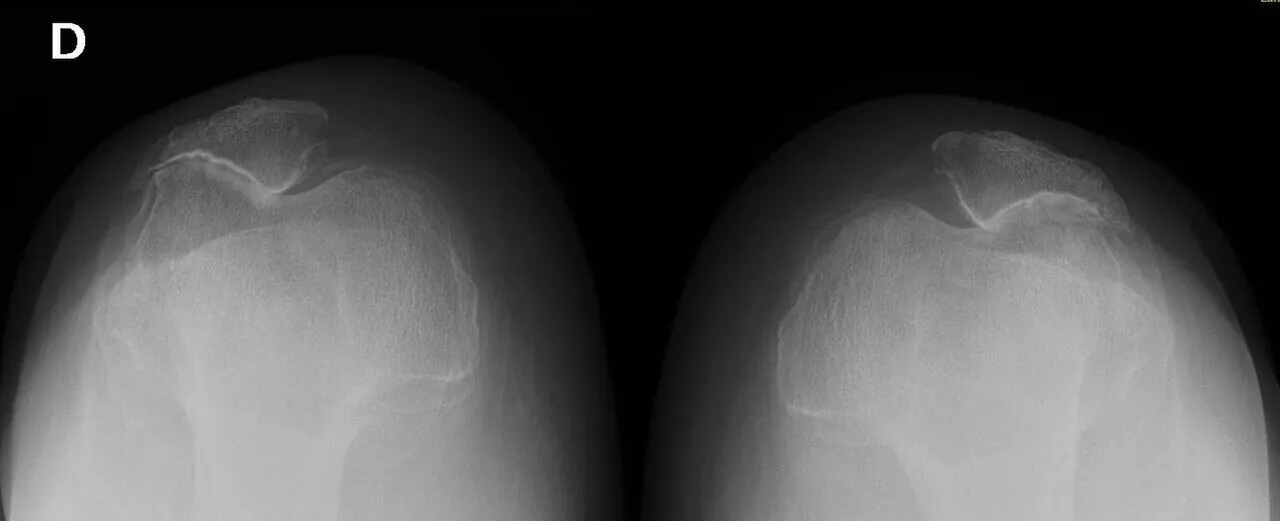
Severe knee OA — openly licensed via Openverse
Mobility Activities Affected
- Moving around: Cannot walk 20 metres without stopping due to pain; uses a stick; avoids uneven ground
- Planning and following journeys: Cannot use public transport without assistance due to steps; cannot walk from car park distances
Key Application Tips
- Describe your worst typical days — not your best days or how you manage with considerable effort
- Include: pain levels on a 0–10 scale, what happens when you walk further than your limit, how long recovery takes after exertion
- Get a supporting letter from your GP stating functional limitations specifically (not just diagnosis)
- Ask your GP about an OT referral — an OT's functional assessment report is powerful evidence
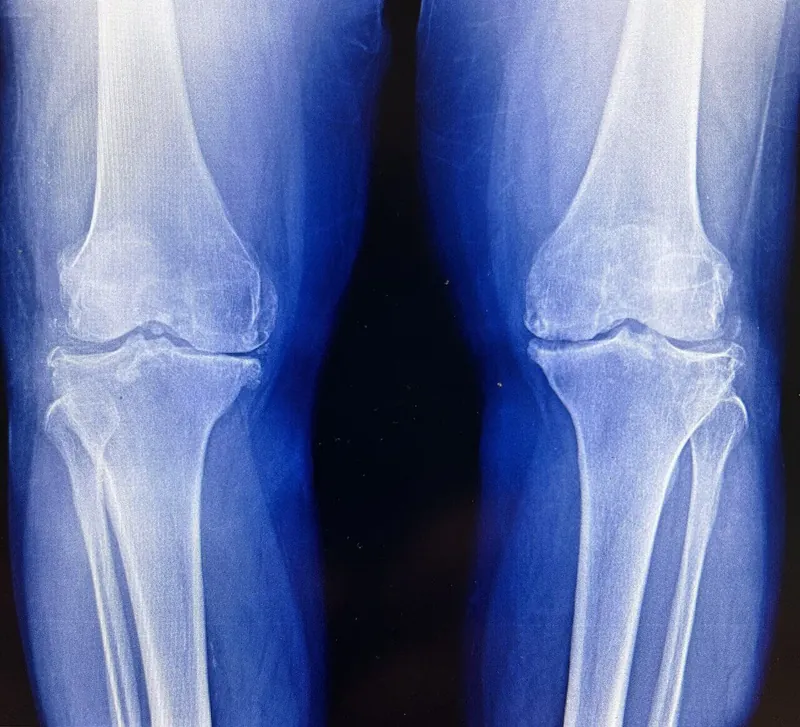
Knee OA x-ray — openly licensed via Openverse
Q&A
Question: I manage to walk to the shops on good days — will this count against me?
Short answer: PIP considers variability. If you can walk to shops on good days but not on the majority of days, describe both scenarios. The DWP is supposed to consider your experience across all days.
Question: I was refused PIP for my knees last year — can I apply again?
Short answer: Yes. You can reapply if your circumstances have changed (worsened), if your previous application was poorly evidenced, or if significant time has passed. A new application is separate from an appeal.
Practical next steps for How to Claim PIP for Osteoarthritis in Both Knees
If you came here about How to Claim PIP for Osteoarthritis in Both Knees, pick one change you can keep for a fortnight rather than overhauling everything at once. Note what hurts, what helps, and what you have already tried, then take that list to your GP, rheumatology nurse or physiotherapist so the conversation stays concrete.In many areas you can ask your primary care network about self-referral to physiotherapy or lifestyle support without waiting for a hospital letter. Check your GP surgery website or the NHS App for the route that applies where you live.
Benefits conversations
Personal Independence Payment (PIP) looks at how your condition affects daily living and mobility, not the diagnosis name alone. Keep a short diary of bad days, help you need with dressing or cooking, and walking limits. Welfare rights advisers at local councils or charities can check forms before you submit them.
Peer support etiquette
Share what helps you without prescribing it for others. Conditions, medicines and life circumstances differ. If someone is in crisis, encourage them toward NHS 111, their GP, or emergency services rather than relying on a forum alone.
Quick questions about Claim Osteoarthritis Both Knees
Is this a substitute for seeing a clinician? No. Use it to prepare questions and understand options, then confirm decisions with your NHS team.How long before I judge whether a change helped? Give most habit or exercise changes at least two to four weeks, unless pain or swelling clearly worsens — in that case scale back sooner.
What should I track? Joint pain (0–10), morning stiffness time, sleep quality, and how far you can walk or how long you can type or stand. Patterns beat one-off ratings.
Safety and when to get urgent help
This page is general information for people in the United Kingdom, not personal medical advice. Seek urgent help via NHS 111 or A&E if you have sudden inability to move a joint, hot swollen joint with fever, chest pain, severe shortness of breath, or symptoms that feel immediately dangerous.
Keep learning with us
Explore related guides on Living With Arthritis — try the guides hub, diet hub, exercise hub, or site search to filter by topic and length. If benefits or work questions are on your mind, start at the Benefits & PIP hub.
Keep expectations kind while you work on how to claim pip for osteoarthritis in both knees. Arthritis symptoms fluctuate; a quieter week does not mean you imagined earlier pain, and a flare does not mean every helpful habit has failed. Adjust one variable at a time so you can see what truly helps.
Continue reading
- How to Apply for PIP With Fibromyalgia UK — A step-by-step guide to applying for Personal Independence Payment (PIP) with fibromyalgia in the UK — what to include, how to describe.
- How to Appeal a Rejected PIP Claim for Arthritis — Step-by-step guide to challenging a refused PIP decision for arthritis — mandatory reconsideration, tribunal appeal and getting the right.
- Expert Q&A: Should I Apply for PIP If My Arthritis Is Mild? — Eligibility is about impact on daily life, not diagnosis severity.
- Sofa height, osteoarthritis and frailty (UK) — Osteoarthritis and frailty often travel together because pain changes how you walk, rise and recover.