Finding others who truly understand what it is like to live with arthritis can make an enormous difference to your wellbeing. In Northern Ireland, a growing network of support groups, online communities and peer programmes means you never have to face this condition alone.
Quick answer: Free arthritis support in Northern Ireland includes Arthritis UK (formerly Versus Arthritis) local groups (0800 5200 520), NHS social prescribing, NRAS helpline (0800 298 7650), and Healthunlocked online community — all free, no referral needed.

Community support for arthritis — openly licensed via Openverse
Why Peer Support Matters for Arthritis
Research consistently shows that people with chronic conditions who have strong peer support experience lower rates of depression and anxiety, better medication adherence and improved self-management. A 2022 Arthritis UK survey found that 68% of people with arthritis reported feeling isolated at some point — yet 74% said peer support had a positive effect on their wellbeing when accessed.
Support groups are not just about emotional comfort. They are practical information-sharing spaces where members exchange tips on managing flares, navigating NHS referrals, claiming benefits and finding local services.
Free Support Available in Northern Ireland
NHS and Charity-Funded Groups
Arthritis UK runs a free national helpline (0800 5200 520, Monday–Friday 9am–6pm) and coordinates local volunteer-led groups across Northern Ireland. Groups meet monthly or fortnightly, typically in community centres, GP surgeries or libraries. No referral is needed — search your nearest group at arthritis-uk.org/get-help/local-support.
The Arthritis Care NI team provides additional regional support. Contact them through Arthritis UK or call your local Health and Social Care Trust for referrals to community arthritis groups.
Online Communities
Healthunlocked.com hosts the NRAS (National Rheumatoid Arthritis Society) community — one of the UK's most active patient forums. It is searchable, moderated and free. The NRAS helpline (0800 298 7650) also offers one-to-one peer support by telephone.
Condition-Specific Groups
For fibromyalgia, Fibromyalgia Action UK (0300 999 3333) maintains a network of regional groups. For lupus, Lupus UK (01708 731251) coordinates support groups and has an active online forum.
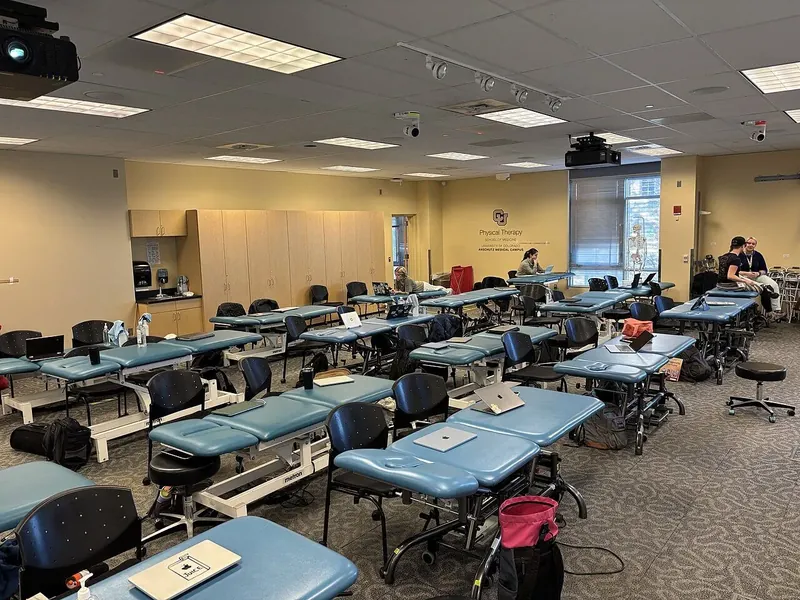
Professional support and physiotherapy — openly licensed via Openverse
How to Find a Group That Suits You
The best group is one you will actually attend. Consider:
- Location and access: Can you get there on a bad pain day? Is parking or public transport available?
- Format: Some people prefer structured groups with guest speakers; others prefer informal peer conversation.
- Condition focus: A general arthritis group may be fine, but condition-specific groups are available for RA, AS and fibromyalgia.
- Online option: If travel is difficult, online groups via Zoom or Facebook remove the access barrier entirely.
Other Sources of Free Support
- Living With Arthritis: Free clinically-reviewed guides at livingwitharthritis.org.uk
- NHS Social Prescribing: Ask your GP about social prescribing — a link worker can connect you to local community groups.
- Citizens Advice NI: For benefits, housing or employment queries — free at citizensadvice.org.uk
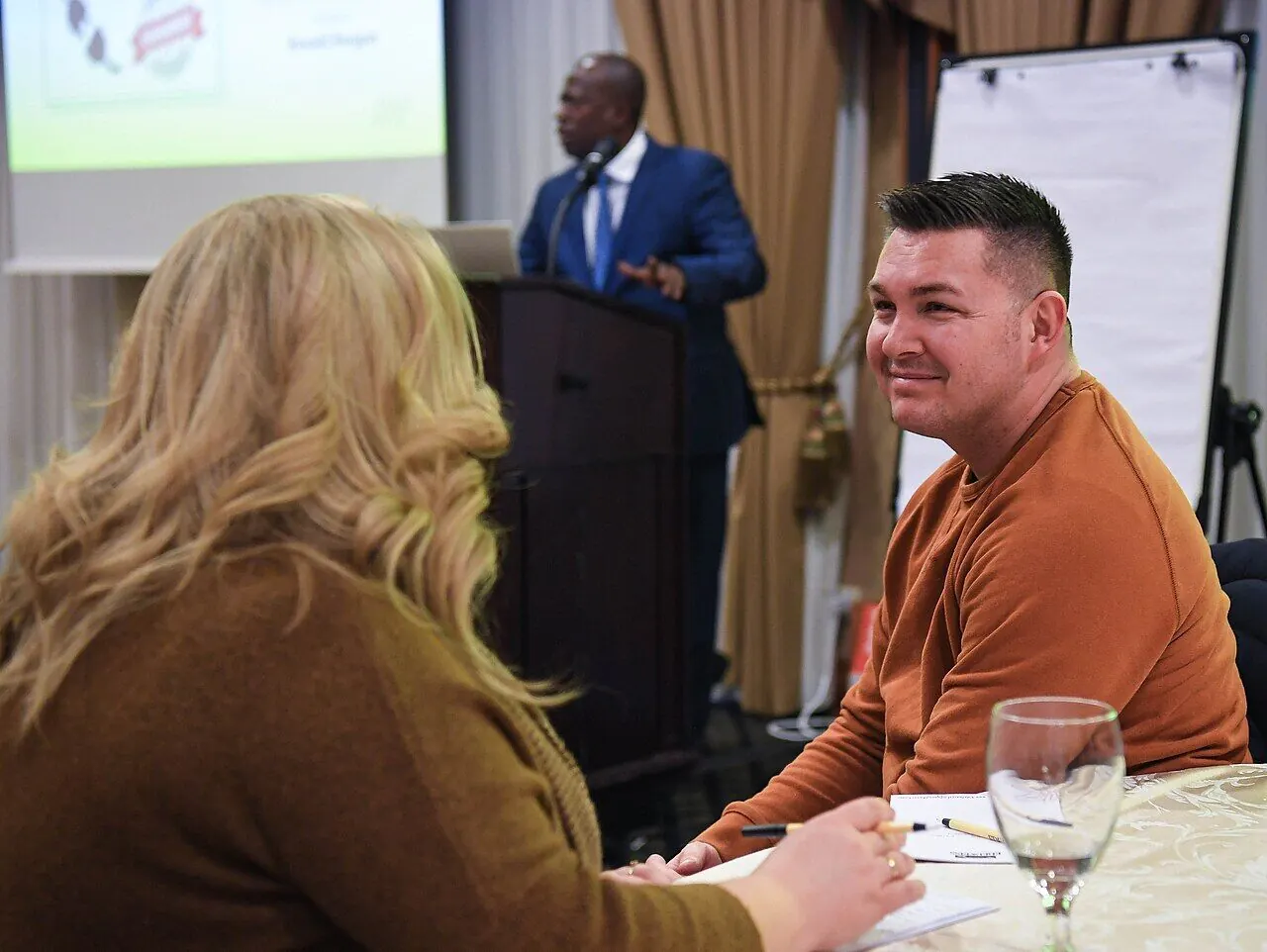
Family and community support — openly licensed via Openverse
Q&A
Question: Do I need a GP referral to join a support group?
Short answer: No. All the groups listed above are self-referral — you simply contact them directly or search online.
Question: Are online groups as helpful as in-person ones?
Short answer: Research suggests both formats offer similar benefits. Online groups have the advantage of being accessible on high-pain days.
Question: Are these services genuinely free?
Short answer: Yes. All services listed are free at the point of use, funded by charities or the NHS.
Practical next steps for Free Arthritis Support Services Northern Ireland
If you came here about Free Arthritis Support Services Northern Ireland, pick one change you can keep for a fortnight rather than overhauling everything at once. Note what hurts, what helps, and what you have already tried, then take that list to your GP, rheumatology nurse or physiotherapist so the conversation stays concrete.In many areas you can ask community musculoskeletal services about self-referral to physiotherapy or lifestyle support without waiting for a hospital letter. Check your GP surgery website or the NHS App for the route that applies where you live.
Finding people who understand
Local arthritis groups, hospital patient panels and moderated online communities can reduce isolation. Ask your rheumatology nurse, library, or council adult social care pages for current lists. Choose spaces that feel practical and kind; leave any that push unproven cures or shame medication use.
Peer support etiquette
Share what helps you without prescribing it for others. Conditions, medicines and life circumstances differ. If someone is in crisis, encourage them toward NHS 111, their GP, or emergency services rather than relying on a forum alone.
Using evidence carefully
Marketing claims for joint supplements often outrun the research. Look for products that state dose clearly, avoid miracle language, and fit alongside — never instead of — prescribed treatment. Stop and seek advice if you notice bruising, stomach pain, yellowing of the skin or new rashes.
Quick questions about Free Arthritis Support Services
Is this a substitute for seeing a clinician? No. Use it to prepare questions and understand options, then confirm decisions with your NHS team.How long before I judge whether a change helped? Give most habit or exercise changes at least two to four weeks, unless pain or swelling clearly worsens — in that case scale back sooner.
What should I track? Joint pain (0–10), morning stiffness time, sleep quality, and how far you can walk or how long you can type or stand. Patterns beat one-off ratings.
Safety and when to get urgent help
This page is general information for people in the United Kingdom, not personal medical advice. Seek urgent help via NHS 111 or A&E if you have sudden inability to move a joint, hot swollen joint with fever, chest pain, severe shortness of breath, or symptoms that feel immediately dangerous.
Keep learning with us
Explore related guides on Living With Arthritis — try the guides hub, diet hub, exercise hub, or site search to filter by topic and length. If benefits or work questions are on your mind, start at the Benefits & PIP hub.
Keep expectations kind while you work on free arthritis support services northern ireland. Arthritis symptoms fluctuate; a quieter week does not mean you imagined earlier pain, and a flare does not mean every helpful habit has failed. Adjust one variable at a time so you can see what truly helps.
Continue reading
- Best Gadgets and Daily Living Aids for Arthritis in the UK — From jar openers to ergonomic keyboards, these practical aids make daily life with arthritis easier, more comfortable, and more independent.
- How to Find an NHS Rheumatologist Near Me Northern Ireland — A practical guide to finding and accessing NHS rheumatology services in Northern Ireland — referral routes, waiting times and what to expect.
- Faith groups, access and arthritis-related frailty (UK) — Sore joints and a frailer body reinforce each other: less movement, less muscle, then even less confidence.
- Social prescribing for arthritis and frailty (UK) — The UK has millions living with arthritis; a smaller group also live with frailty as a clinical syndrome, not a personality trait.
Living With Arthritis is independent of Arthritis UK, formerly Versus Arthritis.