How to manage fibromyalgia flare ups without medication is a question that reflects a real need — many people with fibromyalgia want to manage their worst periods through self-management, either to avoid medication side effects or because current medication is not providing enough relief.
Quick answer: Managing fibromyalgia flare ups without medication: pace activity (reduce but do not stop), apply heat to painful muscle areas, maintain minimal movement (5-10 min walks), prioritise sleep hygiene. Avoid boom-bust cycles. A symptom diary helps identify personal triggers.
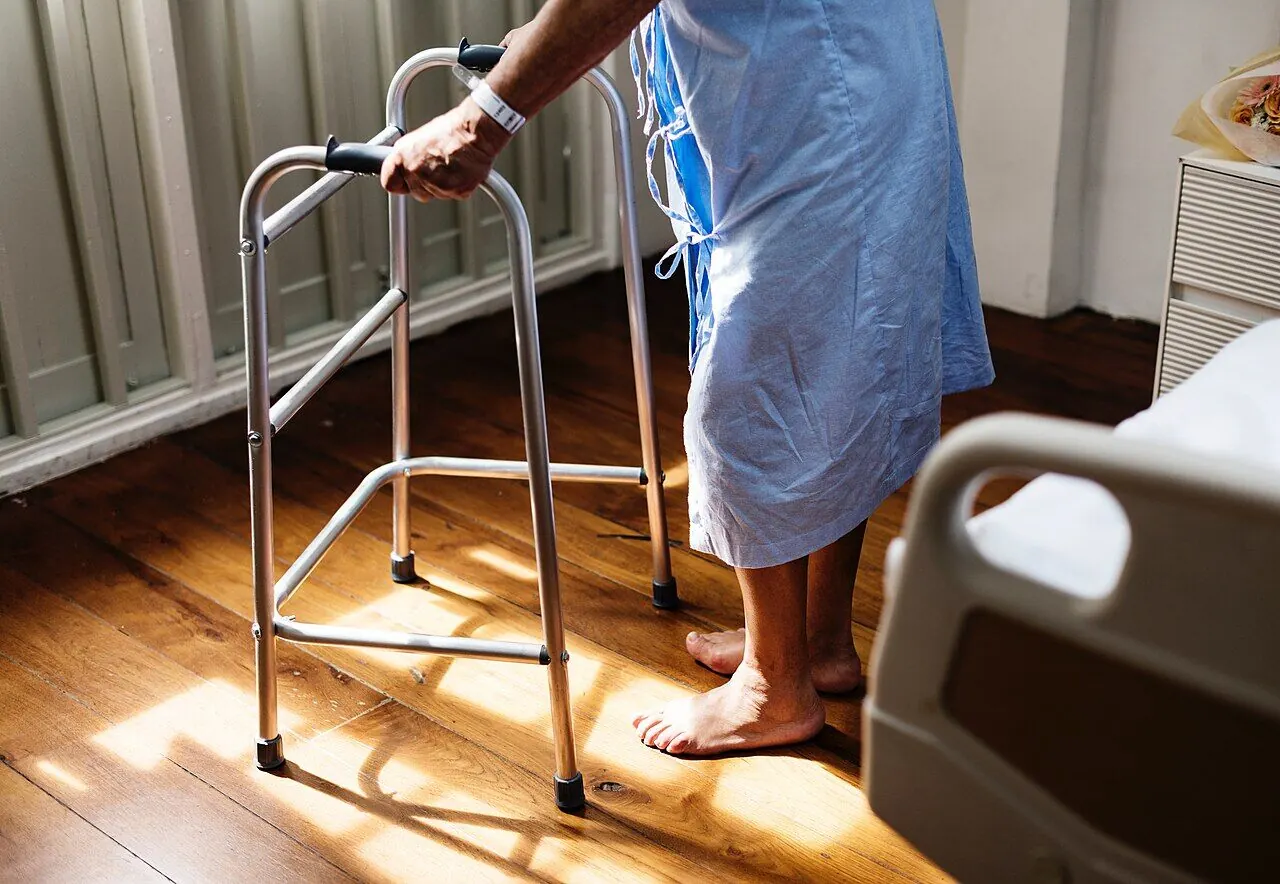
Mobility support during flares — openly licensed via Openverse
Understanding Fibromyalgia Flares
A fibromyalgia flare is a period of significantly increased pain, fatigue, cognitive difficulties ("brain fog") and often disturbed sleep. Flares can be triggered by overexertion, stress, sleep disruption, illness, weather changes or — frustratingly — no identifiable cause at all. Understanding your personal triggers through a symptom diary is the first step in management.
Pacing: The Foundation of Flare Management
Pacing means matching activity level to your current energy and pain level, rather than pushing through when symptoms are high (the "boom-bust" cycle). During a flare:
- Reduce activities to your current sustainable level — not zero, but significantly less than baseline
- Break tasks into small chunks with rest periods between
- Prioritise — what must be done today? What can wait?
- Accept the temporary reduction without self-blame
Rest and support during flares — openly licensed via Openverse
Heat Therapy
Heat is one of the most immediately effective non-pharmacological pain relievers for fibromyalgia. It increases blood flow, relaxes muscle tension and reduces pain signal transmission. During a flare: hot bath or shower (15–20 minutes), heated blanket over painful areas, warm wheat bag or heat pad on tender muscle groups. Avoid heat on any inflamed joints — for fibromyalgia's diffuse muscle pain, heat is safe and effective.
Gentle Movement
Complete rest during a flare is counterproductive — it worsens deconditioning and can extend the flare. Aim for minimal but consistent movement: 5–10 minute gentle walks if possible, chair-based stretching, or even just standing briefly every 30–60 minutes. Movement helps reset the central sensitisation that underlies fibromyalgia pain.
Sleep Hygiene
Disturbed sleep worsens fibromyalgia pain and fatigue significantly. During flares prioritise: consistent sleep/wake time, dark and cool bedroom, avoiding screens 60 minutes before bed, and a brief relaxation practice (body scan, slow breathing) before sleep.
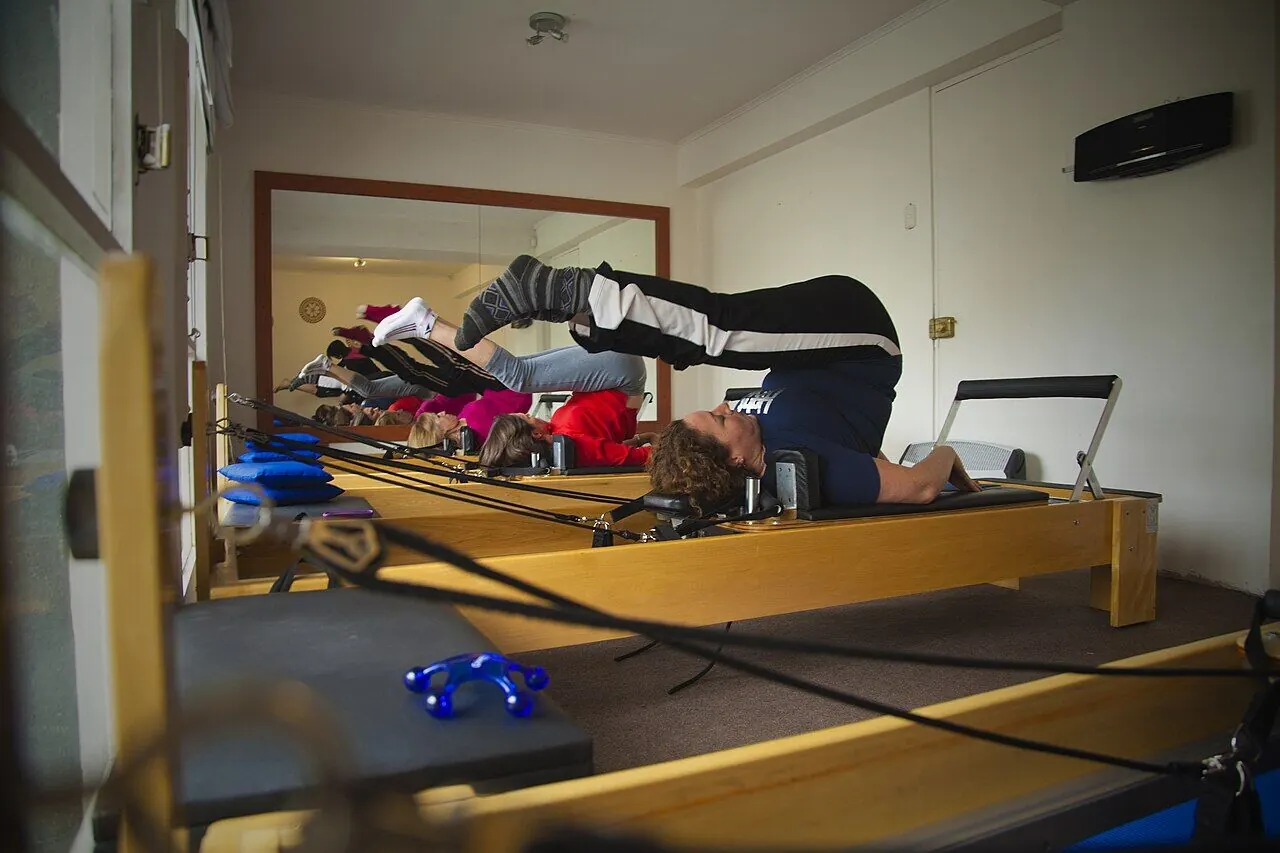
Gentle movement therapy — openly licensed via Openverse
Q&A
Question: How long does a fibromyalgia flare typically last?
Short answer: This varies enormously. Minor flares may last 2–3 days; major flares can last 2–4 weeks. Consistent application of pacing, sleep and heat strategies typically shortens duration.
Question: Should I see my GP during a flare?
Short answer: If the flare is significantly worse than usual, has a clear new trigger (illness, injury), involves fever or new symptoms, contact your GP. For familiar flares, self-management as described above is appropriate.
Practical next steps for How to Manage Fibromyalgia Flare Ups Without Medication
If you came here about How to Manage Fibromyalgia Flare Ups Without Medication, pick one change you can keep for a fortnight rather than overhauling everything at once. Note what hurts, what helps, and what you have already tried, then take that list to your GP, rheumatology nurse or physiotherapist so the conversation stays concrete.In many areas you can ask your local integrated care board about self-referral to physiotherapy or lifestyle support without waiting for a hospital letter. Check your GP surgery website or the NHS App for the route that applies where you live.
Making information usable
Treat articles like this as a starting map, not a personal care plan. Highlight one idea to try for two weeks, then review. If symptoms are new, rapidly worsening, or affecting several joints with fever or unexplained weight loss, contact your GP promptly rather than waiting on self-help alone.
Finding people who understand
Local arthritis groups, hospital patient panels and moderated online communities can reduce isolation. Ask your rheumatology nurse, library, or council adult social care pages for current lists. Choose spaces that feel practical and kind; leave any that push unproven cures or shame medication use.
Quick questions about Manage Fibromyalgia Flare Without
Is this a substitute for seeing a clinician? No. Use it to prepare questions and understand options, then confirm decisions with your NHS team.How long before I judge whether a change helped? Give most habit or exercise changes at least two to four weeks, unless pain or swelling clearly worsens — in that case scale back sooner.
What should I track? Joint pain (0–10), morning stiffness time, sleep quality, and how far you can walk or how long you can type or stand. Patterns beat one-off ratings.
Safety and when to get urgent help
This page is general information for people in the United Kingdom, not personal medical advice. Seek urgent help via NHS 111 or A&E if you have sudden inability to move a joint, hot swollen joint with fever, chest pain, severe shortness of breath, or symptoms that feel immediately dangerous.
Keep learning with us
Explore related guides on Living With Arthritis — try the guides hub, diet hub, exercise hub, or site search to filter by topic and length. If benefits or work questions are on your mind, start at the Benefits & PIP hub.
Keep expectations kind while you work on how to manage fibromyalgia flare ups without medication. Arthritis symptoms fluctuate; a quieter week does not mean you imagined earlier pain, and a flare does not mean every helpful habit has failed. Adjust one variable at a time so you can see what truly helps.
Continue reading
- Expert Q&A: How to Talk to Your GP About Medication Worries — Concerns are valid. A practical script for an honest conversation.
- Arthritis Fatigue UK – Causes, Coping & When to See GP — Fatigue affects 70% of people with arthritis.
- How to Manage Arthritis Pain Flare Ups at Night — Practical strategies to manage arthritis pain and flare ups at night — mattress, position, medication timing and sleep techniques.
- Managing Methotrexate Side Effects: Practical Tips — Nausea, fatigue and mouth ulcers are common — and largely manageable with simple tweaks.