Emergency advice: With back pain, new difficulty passing urine, loss of bladder or bowel control, altered feeling around your genitals or anus, or pain, tingling, weakness or numbness in both legs: call 999 or go to A&E now. Do not wait to complete a questionnaire or for a routine appointment. Do not drive yourself if unsafe.
This is education, not a diagnosis. A symptom checklist cannot confirm or exclude cauda equina syndrome. This article is pending clinical review.
What is cauda equina syndrome?
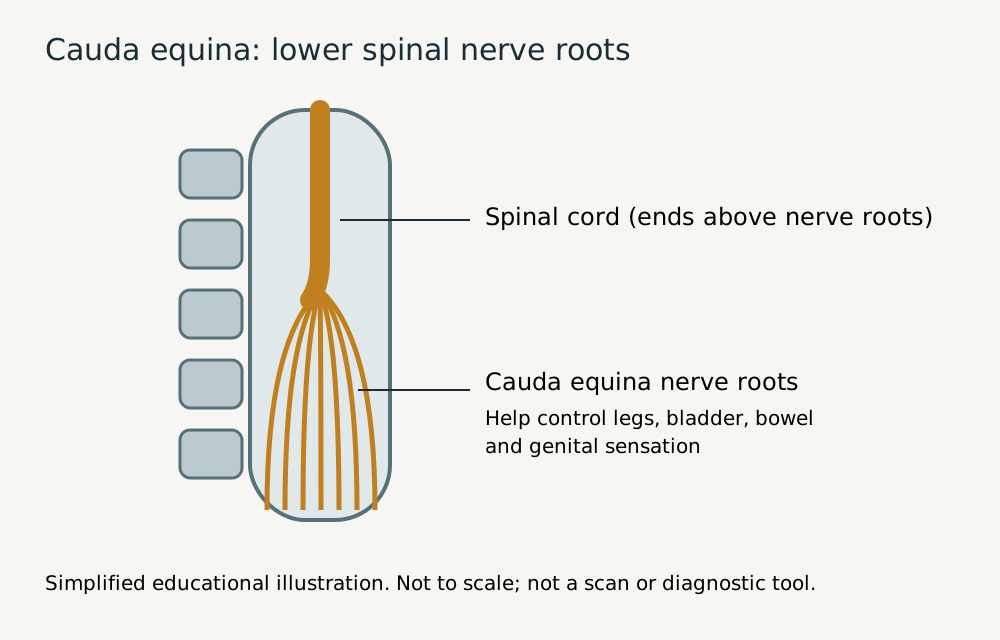
The cauda equina is a bundle of nerve roots below the end of the spinal cord. Compression can disrupt leg movement, bladder and bowel function, and sensation around the genitals and anus. It is uncommon but can cause permanent disability. Prompt hospital assessment matters.
Bladder and bowel warning signs
Do not wait for incontinence. Difficulty starting urine, inability to pass urine, altered awareness of bladder fullness or urine flow, or new leakage can be warning signs. Bowel symptoms include new leakage or reduced awareness of passing a bowel movement. Tell the emergency team what changed and when.
Numbness in the private or saddle area
The saddle area includes your genitals, inner thighs, buttocks and around the anus. New numbness, pins and needles, or different feeling when wiping with toilet paper can be warning signs. You do not need to test yourself with a sharp object or perform an intimate examination.
Leg and sexual symptoms
Back pain with pain, tingling, weakness or numbness in both legs needs emergency assessment. Changes in genital sensation during sex, erection or orgasm can also matter. Symptoms may evolve; not everyone has every warning sign or severe pain.
What about unexplained weight loss?
Losing weight without trying is not a specific cauda equina symptom. With back pain it can suggest another underlying problem and should be discussed promptly with your GP. If emergency symptoms described above are also present, seek emergency care immediately.
How is it assessed?
Hospital clinicians assess your history, nerve function and bladder function. Urgent imaging, usually MRI, may be needed. Treatment depends on the cause and may involve urgent surgery. Online answers, home tests and absence of one symptom cannot replace this assessment.
Prepare for assessment without delaying care
Tell the team when symptoms started, whether they are changing, and about medicines, previous spine procedures and other conditions. Ask for a professional interpreter, privacy, or a female clinician if preferred, but do not delay emergency assessment while arranging these.
Sources and related help
- NHS: back pain and emergency symptoms
- Chesterfield Royal Hospital: cauda equina warning signs
- Buckinghamshire Healthcare: cauda equina syndrome
- Inclusive arthritis and frailty support
Medical disclaimer
General educational information for UK readers. It does not diagnose, rule out illness or give an individual treatment plan. With suspected cauda equina symptoms, seek emergency assessment now. For other urgent concerns contact your GP or NHS 111 where available.