How to get a Blue Badge for arthritis in Scotland — the Blue Badge scheme provides parking concessions that can make an enormous difference to independence and daily life. In Scotland, the scheme is administered by local authorities following national guidelines set by the Scottish Government.
Quick answer: Blue Badge Scotland for arthritis: apply at mygov.scot/blue-badge. Automatic eligibility with PIP/ADP enhanced mobility. Otherwise assessed on walking difficulty. Describe worst typical days, include GP supporting letter, OT report and X-rays if available. Valid UK-wide for 3 years.
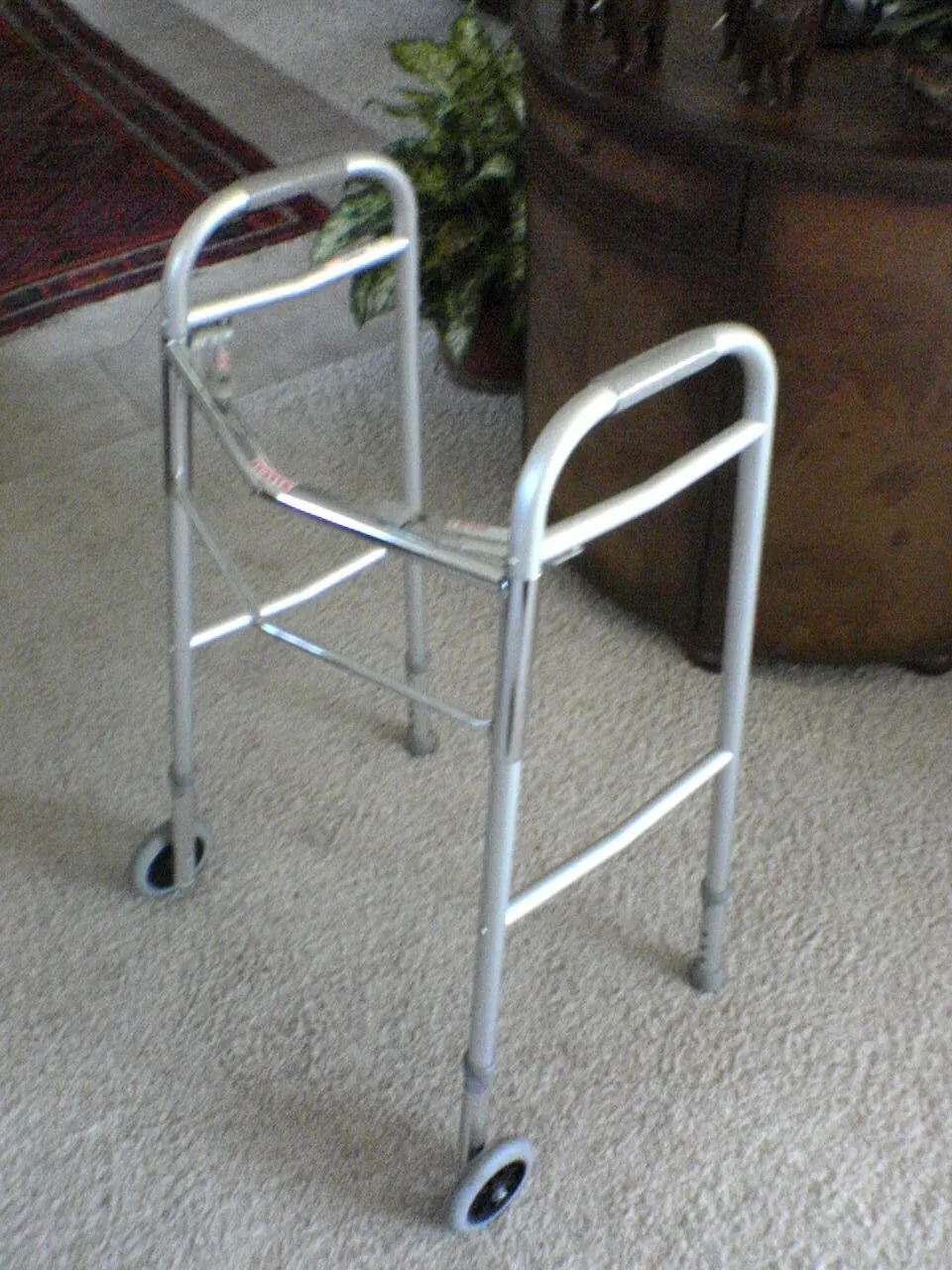
Mobility aids and independence — openly licensed via Openverse
Eligibility for Blue Badge in Scotland
You qualify automatically (without assessment) if you receive: the higher rate mobility component of DLA, enhanced rate mobility component of PIP or ADP (Adult Disability Payment — Scotland's equivalent), or War Pensioner's Mobility Supplement.
You may also qualify through assessment if you cannot walk, or have very considerable difficulty walking — including due to severe lower limb arthritis — or have a severe cognitive or psychological impairment. "Very considerable difficulty" is assessed against distance, speed, manner and time taken to walk.
How to Apply in Scotland
- Apply online at your local council website or at mygov.scot/blue-badge
- Provide: proof of identity, proof of address, a recent photo, details of your condition and how it affects walking
- If not automatically eligible, you will be invited to a mobility assessment — in person or by phone
- Describe your worst typical walking experience — not an optimistic estimate of what you can achieve with effort
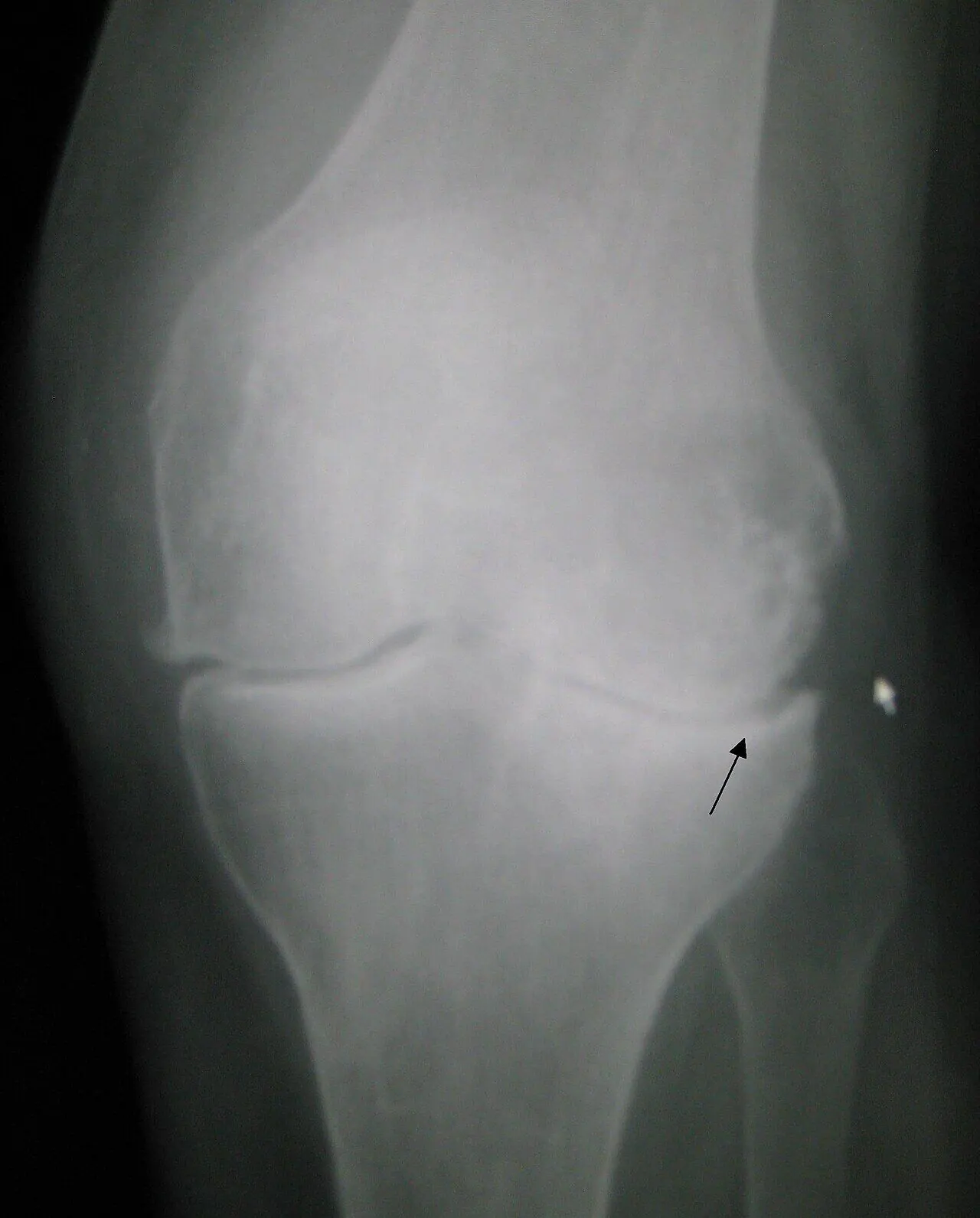
Knee arthritis and mobility — openly licensed via Openverse
Supporting Evidence
A supporting letter from your GP or specialist describing your functional limitations significantly improves success. If you have an OT assessment or mobility report, include this. X-ray reports demonstrating severe joint changes in knees or hips support your application for OA.
If Refused
You can request a review of the decision through your local council's internal process. If this fails, you can escalate to the Scottish Government's Blue Badge Independent Review Service. The Disability Law Service (020 7791 9800) can advise on challenging decisions.

Independence support — openly licensed via Openverse
Q&A
Question: Does a Blue Badge work across the UK?
Short answer: Yes — a Blue Badge issued in Scotland is valid across the UK, including in England, Wales and Northern Ireland. It is also recognised in some European countries.
Question: How long does a Blue Badge last?
Short answer: Blue Badges are issued for up to 3 years. You will need to reapply before it expires — your condition does not need to have worsened, you simply need to demonstrate continuing eligibility.
Practical next steps for How to Get a Blue Badge for Arthritis in Scotland
If you came here about How to Get a Blue Badge for Arthritis in Scotland, pick one change you can keep for a fortnight rather than overhauling everything at once. Note what hurts, what helps, and what you have already tried, then take that list to your GP, rheumatology nurse or physiotherapist so the conversation stays concrete.In many areas you can ask your primary care network about self-referral to physiotherapy or lifestyle support without waiting for a hospital letter. Check your GP surgery website or the NHS App for the route that applies where you live.
Benefits conversations
Personal Independence Payment (PIP) looks at how your condition affects daily living and mobility, not the diagnosis name alone. Keep a short diary of bad days, help you need with dressing or cooking, and walking limits. Welfare rights advisers at local councils or charities can check forms before you submit them.
Gentle cognitive tools
Noticing catastrophic thoughts ("this flare will never end") and reframing them with paced facts can reduce fear without denying real pain. Apps and courses based on cognitive behavioural approaches are available on the NHS in many areas; your surgery can advise what is offered locally.
Quick questions about Blue Badge Arthritis Scotland
Is this a substitute for seeing a clinician? No. Use it to prepare questions and understand options, then confirm decisions with your NHS team.How long before I judge whether a change helped? Give most habit or exercise changes at least two to four weeks, unless pain or swelling clearly worsens — in that case scale back sooner.
What should I track? Joint pain (0–10), morning stiffness time, sleep quality, and how far you can walk or how long you can type or stand. Patterns beat one-off ratings.
Safety and when to get urgent help
This page is general information for people in the United Kingdom, not personal medical advice. Seek urgent help via NHS 111 or A&E if you have sudden inability to move a joint, hot swollen joint with fever, chest pain, severe shortness of breath, or symptoms that feel immediately dangerous.
Keep learning with us
Explore related guides on Living With Arthritis — try the guides hub, diet hub, exercise hub, or site search to filter by topic and length. If benefits or work questions are on your mind, start at the Benefits & PIP hub.
Keep expectations kind while you work on how to get a blue badge for arthritis in scotland. Arthritis symptoms fluctuate; a quieter week does not mean you imagined earlier pain, and a flare does not mean every helpful habit has failed. Adjust one variable at a time so you can see what truly helps.
Continue reading
- Driving with Arthritis – DVLA Rules, Adaptations & Tips — Can you drive with arthritis?
- PIP for Arthritis – Eligibility, Application & Tips (UK) — Complete UK guide to claiming Personal Independence Payment (PIP) for arthritis.
- How to Get PIP for Fibromyalgia Denied on First Application — What to do when PIP is denied for fibromyalgia — reapplication strategy, mandatory reconsideration and tribunal success tips.
- How to Apply for PIP With Fibromyalgia UK — A step-by-step guide to applying for Personal Independence Payment (PIP) with fibromyalgia in the UK — what to include, how to describe.