Best supplements for joint pain — with hundreds of products making bold claims, knowing what actually works is genuinely difficult. This guide cuts through the marketing and reviews the evidence honestly, based on systematic reviews and clinical trials.
Quick answer: Best supplements for joint pain with good evidence: omega-3 fish oil (2.7g EPA+DHA daily for RA), vitamin D (especially UK autumn/winter), curcumin with piperine (moderate evidence for OA). Glucosamine has weak evidence and is not recommended by NICE. Always tell your GP what you are taking.

Natural supplements — openly licensed via Openverse
What Has the Best Evidence
Omega-3 Fatty Acids (Fish Oil)
Evidence: Strong. Multiple RCTs and a 2017 Cochrane review confirm omega-3 (EPA+DHA) supplements reduce morning stiffness, tender joint count and NSAID use in rheumatoid arthritis. The effective dose is 2.7g EPA+DHA daily (not total fish oil — check the label). Take with food to reduce fishy aftertaste.
Vitamin D
Evidence: Strong for deficiency, moderate for pain. UK residents are commonly deficient (especially autumn/winter). Vitamin D deficiency is associated with worse arthritis outcomes. The NHS recommends 10 micrograms (400 IU) daily for all adults October–March. People with arthritis may benefit from higher doses — discuss with your GP.
Curcumin (from Turmeric)
Evidence: Moderate. Several RCTs show curcumin supplements (not just turmeric powder in food) reduce pain and inflammatory markers in OA. The challenge is bioavailability — look for formulations with black pepper extract (piperine) or phospholipid complexes. Speak to your GP or pharmacist about the right dose for you.

Healthy living supplements — openly licensed via Openverse
Glucosamine and Chondroitin
Evidence: Weak to moderate. Hugely popular but evidence is mixed. The large GAIT trial found no benefit over placebo for most OA patients. Some meta-analyses show modest pain reduction in knee OA. Current NICE guidance does not recommend them. If you try them, allow 3 months before judging effect.
What to Skip
- Collagen supplements — insufficient evidence for joint pain specifically
- Magnesium for OA — no good evidence for pain reduction (despite widespread claims)
- Many herbal "arthritis complex" products — usually contain small amounts of multiple ingredients below therapeutic doses
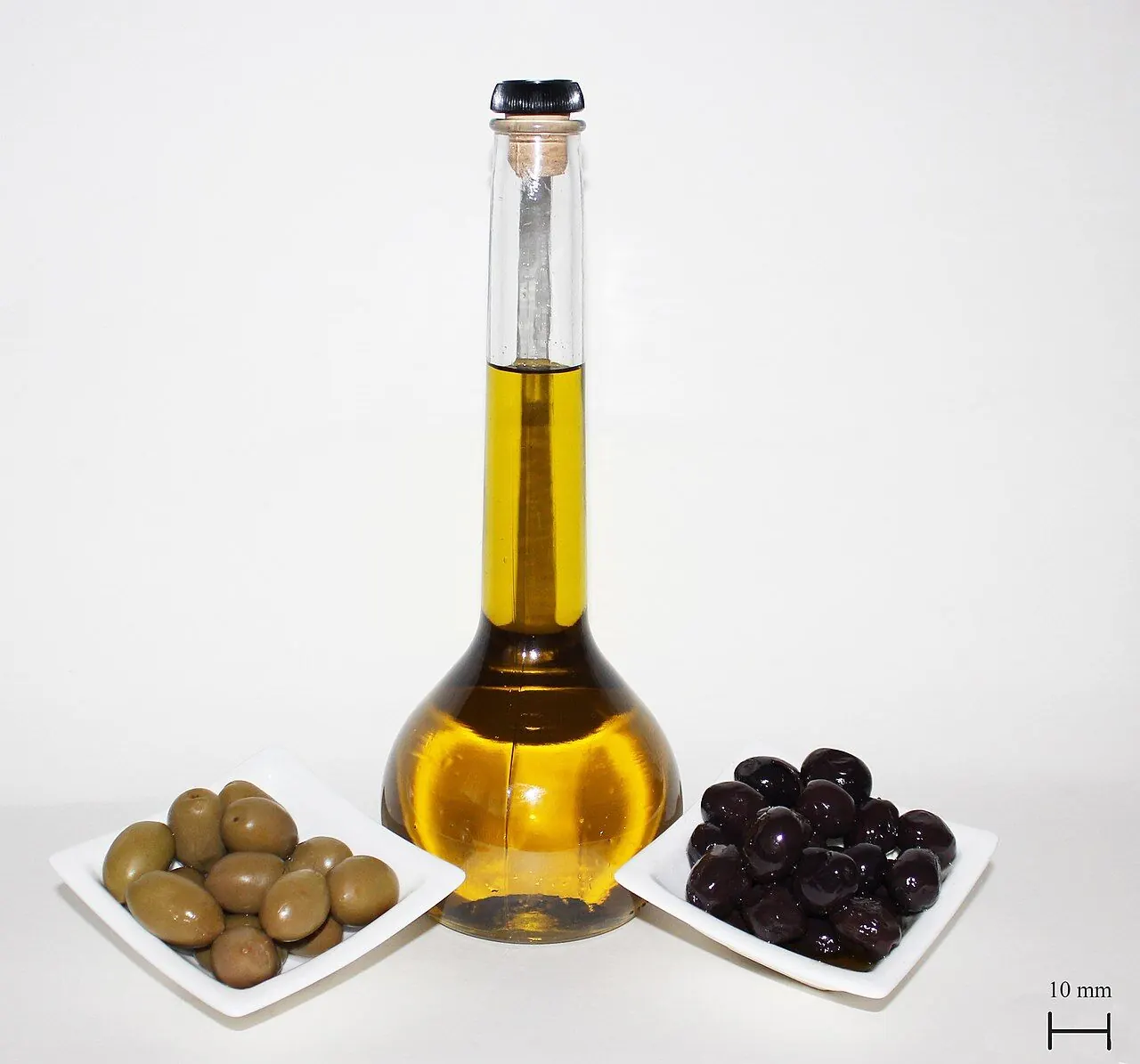
Anti-inflammatory nutrition — openly licensed via Openverse
Q&A
Question: Should I tell my GP about supplements I'm taking?
Short answer: Yes, always. Some supplements interact with medications: fish oil can potentiate anticoagulants; high-dose vitamin D can affect calcium levels; St John's Wort interacts with many DMARDs.
Question: Are expensive supplements better than cheaper ones?
Short answer: Not necessarily. Own-brand vitamin D and fish oil from supermarkets or pharmacies are equivalent to premium brands for the same dose. Check the EPA+DHA content on the label, not the total fish oil capsule weight.
Practical next steps for Best Supplements for Joint Pain: What Actually Works
If you came here about Best Supplements for Joint Pain: What Actually Works, pick one change you can keep for a fortnight rather than overhauling everything at once. Note what hurts, what helps, and what you have already tried, then take that list to your GP, rheumatology nurse or physiotherapist so the conversation stays concrete.In many areas you can ask community musculoskeletal services about self-referral to physiotherapy or lifestyle support without waiting for a hospital letter. Check your GP surgery website or the NHS App for the route that applies where you live.
Work, rights and practical adjustments
Under the Equality Act 2010, employers in Great Britain should consider reasonable adjustments when arthritis has a substantial long-term effect. That can mean flexible hours, more breaks, seating, parking closer to the entrance, or software that reduces typing strain. Acas and Citizens Advice both publish plain-English guides you can take into a meeting.
Using evidence carefully
Marketing claims for joint supplements often outrun the research. Look for products that state dose clearly, avoid miracle language, and fit alongside — never instead of — prescribed treatment. Stop and seek advice if you notice bruising, stomach pain, yellowing of the skin or new rashes.
Making information usable
Treat articles like this as a starting map, not a personal care plan. Highlight one idea to try for two weeks, then review. If symptoms are new, rapidly worsening, or affecting several joints with fever or unexplained weight loss, contact your GP promptly rather than waiting on self-help alone.
Quick questions about Best Supplements Joint Pain
Is this a substitute for seeing a clinician? No. Use it to prepare questions and understand options, then confirm decisions with your NHS team.How long before I judge whether a change helped? Give most habit or exercise changes at least two to four weeks, unless pain or swelling clearly worsens — in that case scale back sooner.
What should I track? Joint pain (0–10), morning stiffness time, sleep quality, and how far you can walk or how long you can type or stand. Patterns beat one-off ratings.
Safety and when to get urgent help
This page is general information for people in the United Kingdom, not personal medical advice. Seek urgent help via NHS 111 or A&E if you have sudden inability to move a joint, hot swollen joint with fever, chest pain, severe shortness of breath, or symptoms that feel immediately dangerous.
Keep learning with us
Explore related guides on Living With Arthritis — try the guides hub, diet hub, exercise hub, or site search to filter by topic and length. If benefits or work questions are on your mind, start at the Benefits & PIP hub.
Keep expectations kind while you work on best supplements for joint pain: what actually works. Arthritis symptoms fluctuate; a quieter week does not mean you imagined earlier pain, and a flare does not mean every helpful habit has failed. Adjust one variable at a time so you can see what truly helps.
Continue reading
- Best Supplement for Knee Joint Health: UK Evidence Guide — Knee pain from arthritis?
- Turmeric for Arthritis: Does It Really Work? — Explore the science behind turmeric and curcumin for arthritis pain relief.
- Natural Pain Relief for Arthritis – Home Remedies UK — Evidence-based natural pain relief methods for arthritis.
- TENS Machines for Arthritis – Do They Work? UK Guide — Complete UK guide to using TENS machines for arthritis pain.